Whey Protein

Does whey protein affect testosterone level

Male athletes fear about does whey protein affect testosterone level

Anyone who takes any kind of medicine, treatment, or supplement is also worried about any possible side effects or long-term effects. This is usual, when we take any kind of medicine or supplement we also want to know if that particular supplement is going to have any long-term side effects, and if there are any we should be aware of those in advance.
The male population generally in the age group of 18-40 forms the largest consumer base for whey proteins. It’s the prime age where people want to be healthy, have a nice physique, or have big muscles. Off-course the male population taking whey supplements is worried about its possible effects on testosterone levels.
We have also discussed most common side effects of whey protein in another article

What is testosterone?

Testosterone is a male sex hormone produced by testicles. It plays important role in the development of sexual characteristics and physical appearance. It also regulates sex drive, bone mass, muscle development, production of red blood cells, and sperms(1). It also controls the distribution of fat in the body.
All in all, it is one of the most important hormones in the body, and changes in its level can have harmful effects.
Here we will discuss if consumption of whey protein affects the levels of testosterone in the body in any way. We will take a look at few important pieces of research which experimented to determine the effects of whey protein on the testosterone level.

Whey supplementation did not affect the level of testosterone.
In a study published in the Journal of medical sciences titled “Impact of Resisted Exercises and Whey Protein on Growth Hormones and Testosterone in Normal Subjects” (2), scientists performed a study on a group of 60 male subjects aged around 18 years.
The scientists divided the group into two, both groups were subjected to resistance exercise for 6 weeks, one group received whey protein supplement and the other did not.
After 6 weeks subjects were tested for blood hormone levels before and after 6 weeks. The measurements included growth hormones, testosterone levels, and also strength.
The whey protein group consumed 1.2 grams of protein/ per kg of body weight.
Both groups showed a significant increase in the level of testosterone from the before to after levels, but there was no significant difference between the groups, meaning whey protein did not have any effect on the testosterone levels.
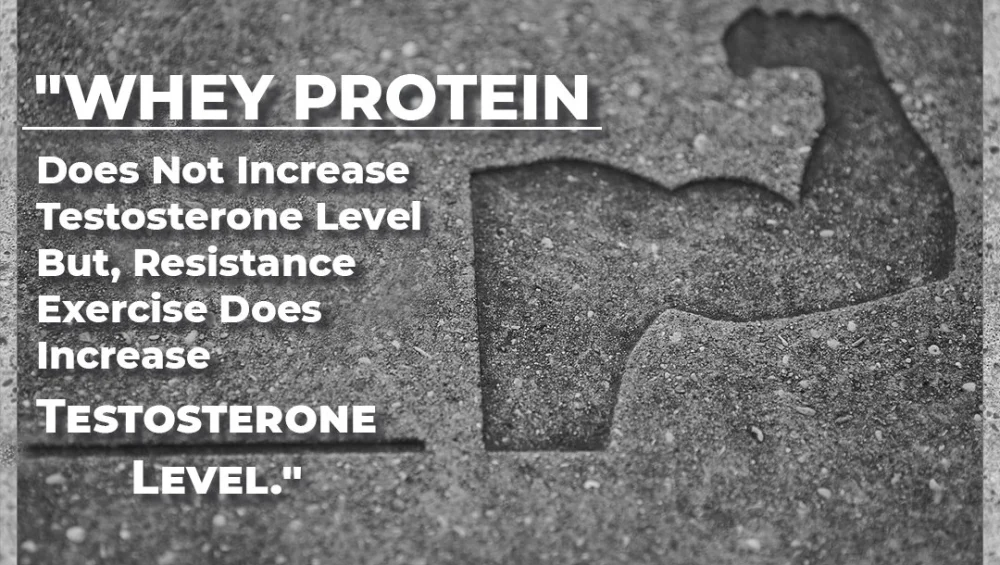
The resistance exercise contributes to an increase in the levels of testosterone in the body (3), but adding whey protein to the diet does not have any impact on the levels of testosterone.

2.0 grams of whey protein/ kg/ day for 12 weeks did not affect testosterone levels.
In another study published in the Journal of sports science and medicine titled “Effects of protein supplementation on muscular performance and resting hormonal changes in college football players”(4) scientists evaluated the effects of whey protein supplementation on total testosterone level among others parameters.
The study was conducted on a group of 21 experienced athletes. The athletes were divided into two groups, both groups performed resistance exercises for 12 weeks, one group received protein supplementation while the other received placebo.
The placebo group still however received about 1.2 grams of protein every day through diet, while the protein group received 2 grams of protein/ kg of body weight/ day through supplements.
Measurements for resting testosterone were taken before, during, and after the experiment.
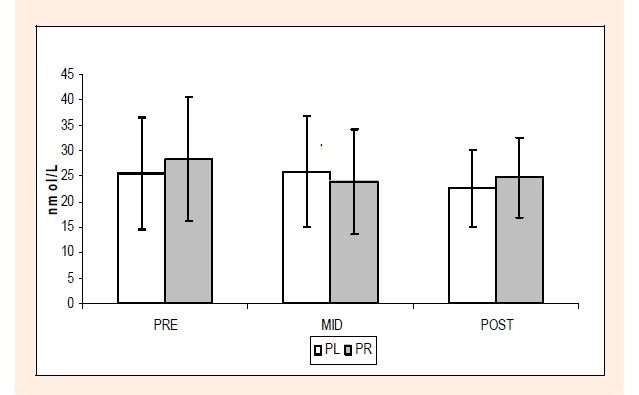
PL- Placebo, PR- Protein
Pre- Before experiment,
MID- During experiment,
POST- After Experiment
Y-axis- Testosterone Level
As depicted in the above graph researchers did not find any difference between the two groups at any time point for testosterone levels.
The whey protein consumption did not affect the levels of testosterone in the body.

Consuming more than the recommended intake of protein did not affect testosterone levels in the body.
A study published in the Journal of the International society of sports nutrition titled “Effect of Protein Intake on Strength, Body Composition and Endocrine Changes in Strength/Power Athletes” (5) determined the effects of consuming protein below, at, and above recommended levels on the testosterone among other.
This study was conducted on a group of 23 athletes, which were divided into 3 groups and underwent similar resistance exercises for 12 weeks.
All groups were subjected to a well-designed resistance exercise for 12 weeks that targeted all muscle groups. Each group received either below the recommended level, at the recommended level, and above recommended level protein.
Below level-1.0-1.4 grams
At level- 1.6-1.8 grams
Above level- >2.0 grams
The higher protein levels were achieved through protein supplementation.
The measurements for testosterone levels were taken before and after the experiment.
Researchers did not find any difference between testosterone levels for any groups when measured before and after the experiment.
Conclusion As discussed above whey protein supplementation did not affect testosterone levels in any studies. Resistance exercise increases the level of testosterone due to stimulation of muscle protein synthesis pathway but whey protein does not contribute to increase.
When protein even when consumed above recommended dose doesn’t affect the level of testosterone in the body.
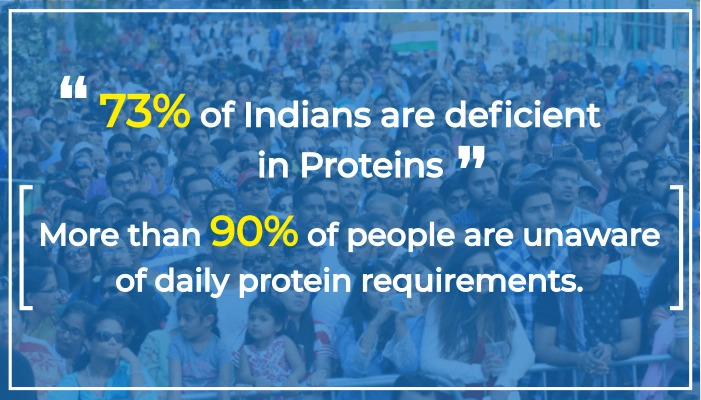

The alarming state of protein deficiency in India, the consequences and causes behind it.

A recent survey titled “Protein Consumption in Diet of Adult Indians: A General Consumer Survey (PRODIGY)” indicates that 9 out of 10 people consume inadequate amounts of protein in India. Another report shows that 73% of Indians are deficient in protein and more than 90% of people are unaware of daily protein requirements.

More seriously, more than 90% of pregnant and lactating women are unaware of the ideal protein requirements during this phase, protein deficiency during such phases can result in impaired growth in children or even in the loss of pregnancy and poor maternal health(1).

About 71% of Indians have poor muscle mass and health. Poor muscle mass leads to muscle fatigue, impaired metabolism, and impaired muscle function.


73% of Indians are deficient in proteins

As per the survey, about 91% of vegetarians and 85% of non-vegetarians are protein deficient.

The majority of people from rural areas and lower economic backgrounds are protein deficient. The lack of awareness, typical Indian nutrition, and misconceptions about protein has led to the majority of people being protein deficient.
Protein is one of the important macro-nutrient that we need daily. The majority of hormones, antibodies, neurotransmitters, cells, enzymes, and structural components of our body are made up of proteins.

Effects of protein deficiency

Proteins carry out numerous functions and we need them for the proper functioning of our body. Protein deficiency affects our overall well-being and optimum functioning of our body. Protein deficiency can lead to effects such as
  • Poor muscle health
  • Low muscle mass
  • Muscle weakness
  • Greater risk of infections and lower immunity
  • Higher risk of bone fractures
  • Adverse effects on skin, nails, and hair
  • Low energy and fatigue
  • Impaired growth in children
  • Reduced body weight
  • The lower number of cells in tissue and organs

Reasons behind protein deficiency

India boasts such a diverse range of crops and cuisines, a subsidized food program and we are still protein deficient, why? Here are some reasons,

  1. Diet : So why such an enormous number of the Indian population is protein deficient? I guess it mainly has to do with our diet. The majority of the Indian population is vegetarian and cereal being a prominent part of it. In India majority of protein, about 60% is obtained from a cereal-based diet, which has poor digestibility and lower quality. The majority of the population is focused on a carbohydrate and fat rich diet only.A small percentage of the population consume non-vegetarian food only a few times a week. The rural population and the economical status of people also make it hard to have access to a protein-rich diet. The lower economic status of people makes it hard for them to have access to protein rich food sources such as milk, eggs, pulses, nuts, fish, and meat. People living in urban areas consume a higher amount of milk and milk products as compared to people living in rural areas or slums. (2)Also oftentimes, our daily lifestyle, several diet restrictions, busy schedules make it burdensome for us to prepare a proper meal which makes us resort to a low nutritional fast food further contributing to lower nutritional levels.Also, the subsidized food is primarily cereal-based, also food sources that were previously identified as a good source of protein are now deemed to be poor. Our government is working on subsidizing pulses as well, which are a better source of proteins than cereals.

  2. Lack of knowledge-:The other important factor is lack of knowledge. As pointed out before about 91% of the Indian population is not aware of the daily protein requirements. Which makes it hard to take action since we are not aware that the problem exists. Also people in rural and even urban areas do not have access to information, proper guidance, and course of action for our nutrition and food, making it hard to know what to consume to fulfill daily nutritional requirements.

  3. Myths about protein : There are plenty of good protein sources and supplements that exist in the market which can help us to fulfill our daily protein intake easily. But myths like, protein cause weight gain, kidney damage, kidney stones, it is only for bodybuilding, or men stop us from using them as a part of our daily nutrition. It would help the general population greatly if companies who manufacture them also tried to spread the correct knowledge and information. Since now we know the nature of the problem, we can take action. We can start by making ourselves aware of our daily nutritional needs, learning about various food sources that can help us get our daily nutrition, and then we can use those sources as part of our daily diet.Becoming aware of our nutritional needs, learning about them, and implementing the ideas can help us to achieve a better nutritional level.
           References for above article
  1. Impacts of maternal dietary protein intake on fetal survival, growth, and development Cassandra M Herring,1 Fuller W Bazer,1 Gregory A Johnson,2 and Guoyao Wu1
  2. Protein intakes in India Sumathi Swaminathan*, Mario Vaz and Anura V. Kurpad

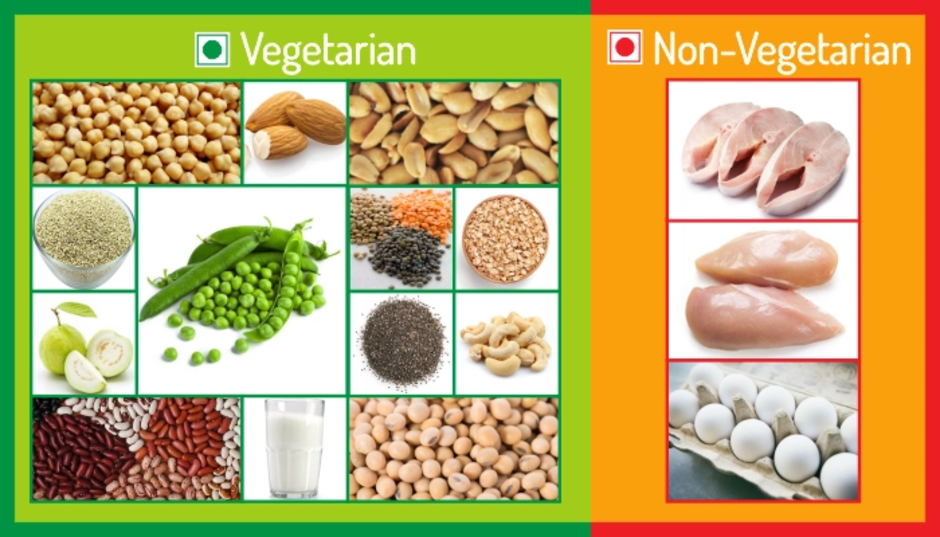
High & rich Vegetarian and non-vegetarian sources of proteins

Protein Sources

Proteins are one of the macro ingredients of food. They perform various body functions and thus adequate amount of proteins must form part of our diet.

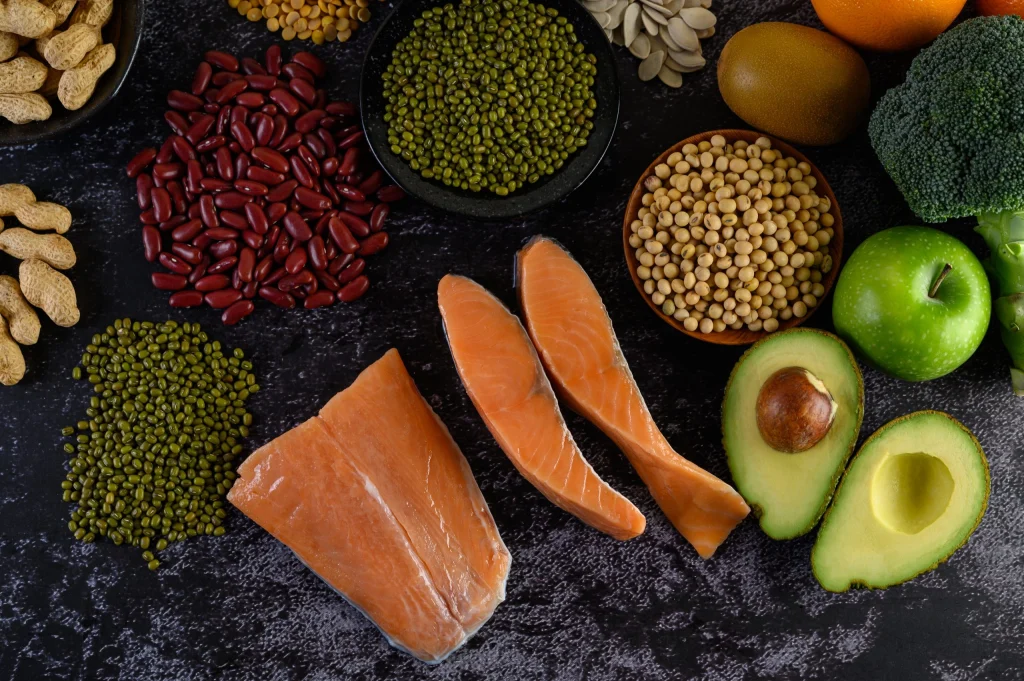
Proteins are majorly found in non-vegetarian food sources such as meat, chicken, eggs and fish also there are plenty of vegetarian food sources out there which provide good amount of proteins.

Below are some food sources of protein which can be included in our daily diet to fulfill our daily protein needs.


M2proteins offers Whey Protein, Whey Isolate & Amino Acids

Vegetarian sources of protein:

1. Lentils (Masoor Ki Dal/ Moong ki Dal)-

Lentil is a high fiber food along with high amount of carbohydrates and proteins. Lentils contain about 16 grams of fiber per cup of cooked lentils. Lentils contain higher amount of lysine than other grains.

Lentils are ideal for soups, curries and dal.

Protein content: 9.2 Gram/ 100 Gram

2. Chickpeas (Chana)-

Chickpeas are high in fiber and proteins. Chickpeas contain several key vitamins and minerals. They are excellent source of carbohydrates, proteins, fiber, vitamin B, Iron and phosphorous, poly and mono unsaturated fatty acids.

Protein content: 5 Gm/ 100 Gram

3. Beans (Kidney beans/ Black beans)-

Kidney beans are native to Central America and Mexico. Beans are major source of proteins throughout the world. Kidney beans need to be well cooked before consuming.

Kidney beans are mainly composed of carbs and fiber but also serve as a good source of proteins.

Protein Content: 8.7 Grams/ 100 Gram

4. Green peas-

Green peas are popular as vegetable. They are full of nutritional material and contain good enough amount of fiber and antioxidants. One advantage of green peas is that they contain lower amount of calories.

It is important to note that Green peas are not a complete source of protein since they lack methionine, so ensure to add another source of protein to make up for the deficit.

Protein Content: 3.5 Gram/ 100 gram

5. Quinoa –

Quinoa is one of the most popular foods. It is gluten free, high in protein and contains sufficient amount of all nine essential amino acids. They are also high in fiber, minerals and anti-oxidants. Quinoa make an excellent plant based protein source for vegetarians.

Protein content: 4.4 Gram/ 100 Gram

6. Soybeans-

Soybean is an important component of Asian diet and has been consumed for thousands of years. Soybeans are eaten as whole or in the form of various products such as soy flour, soy protein and soy milk. Soybeans are the best source of plant based proteins.

Soy may cause allergic reaction although soy allergy is uncommon in both children and adult.

Protein content- 36.6 Gram/ 100 Gram

7. Oats-

Oats are cereals commonly eaten in the form of oatmeal or rolled oats. In recent days oats have become popular healthy food. Oats are full with dietary fiber and have cholesterol lowering property. Rolled oats absorb water quickly and thus cook faster.

Oats are popularly consumed as porridge or used in baked goods, bread and granola bars.

Protein content: 14 Gram/ 100 Gram

8. Chia seeds (Subja)-

Chia seeds are one of the healthiest foods available. Chia seeds contains loads of nutrients with very few calories. Chia seeds have become modern day super food. It contains almost 40% fiber by weight. They are the best fiber source. Chia seeds contain about 14% protein by weight.

Chia seeds are an excellent source of proteins for vegetarians.

 Protein content: 14.4 Gram/ 100 Gram

9. Nuts

Almonds 

Almonds are packed with vitamins, minerals, protein and fiber. Almonds have many health benefits associated with them. Roasting almonds can bring our nice flavor and release some natural oils.

Protein content: 28.6 Gram/ 100 Gram

10. Cashews-

Cashews need no introduction. They are one of the most delicious nuts and used widely in curries, shakes, salads, desserts and sweets. Health benefits of cashews include healthy heart, strong nerve and muscle function, improved bone health.

Protein content: 18.2 Gram/ 100 Gram

11. Peanuts-

They are one of the most widely used nuts in India. Peanuts contain large amounts of protein in them. They can be eaten raw, roasted, salted or in the form of peanut butter.

Protein content: 26 Gram/ 100 Gram

12. Milk

Milk is one of the best muscle food. Milk protein is about 20% whey and 80% casein. Whey in the milk is known as fast protein because it quickly breaks down into amino acids and absorbed in blood circulation. Popular form of protein supplements know as Whey proteins are manufactured from milk.

Milk provides higher quality proteins than beef, soy and wheat.

Protein Content: 4 Gram/ 100 Gram

13. Fruit- Guava

Guava is a fruit cultivated in tropical climate. It is a popular fruit with loads of nutrients. Guava is a good source of energy, fiber, vitamins and minerals. Guava is high in Vitamin C which helps boost immune system.

 Protein content: 2.5 Gram/ 100 Gram

14.Paneer

Paneer is very well know food ingredient and it is made from milk. It has found its way in numerous delicious dishes like Paneer Tikka, Paneer Masala, Paneer Pasanda, Paneer Makani, Mutter Paneer, Paneer Burji, Paneer Butter Masala, Kadai Panner!!!

Protein Content: 21.1 Gram/ 100 Gram

15. Whey Protein

Whey protein is the cleanest source of proteins. In fact it is the king of protein sources. Whey is manufactured from milk, thus makes a great source of protein for vegetarians. Whey is also absorbed much faster than any other form of protein making it a choice of many athletes, bodybuilders, runners and active adults.

Whey protein serves an important source of protein for pregnant women, people who has undergone surgery, kids and in day to day life of any adult.

Protein content: 35 to 90 Grams/ 100 Gram depending on purity of Whey protein.

Non-vegetarian sources of Proteins:

Eggs

Eggs are loaded with nutrition. Eggs are very common in modern diet. Eggs contain several vitamins and mineral along with high amount of proteins. Eggs almost have little bit of everything that you need.

Eggs are excellent source of proteins with a single large egg containing about 6 grams of protein. Protein in eggs contain all the essential amino acids in the right ratio which makes it the perfect source of protein.

Protein Content: 13 Gram/ 100 Gram

Chicken-

Chicken is one of the major form of food consumed frequently in diet. Chicken is available in different forms such as boneless, skinless, chicken breast, wings, wings with skin etc. The nutritional profile of chicken varies with different forms.

Cooked skinless, boneless chicken breast has the most amount of protein per 100 grams with the least amount of calories, while whole chicken meat with skin has the lowest percentage of protein.

Protein content (Boneless, skinless, chicken breast): 31 Grams/ 100 Grams

Fish-

Fish are one of the richest non vegetarian sources of proteins available. The lower amount of calories and absence of any carbs makes them ideal for people who are looking for high protein low carb diet.

Fish also contain high amount of Omega 3 fatty acid which is crucial for optimal functioning of brain and body. The nutritional profile of fish can vary depending upon the type of fish.

Protein Content: 22.25 Gram/ 100 Gram

Meat (Goat Meat)-

Goat meat is widely consumed in major parts of India. Goat meat is rich in vitamins and minerals and has less calories. Goat meat contains high amount of lean proteins and low amount of saturated fat. Goat meat also helps prevent anemia in pregnant women.

Protein Content: 20.60 Grams /100 Grams

What is whey protein explained in easy & simplified way

This article explains some important aspects of whey proteins and their manufacturing. We are not going to go too much into technical details but will try to explain things using simple terminology. Although whey protein manufacturing today is a highly sophisticated and complicated process yielding high purity protein, we will stick with the basics.

A. What is Whey Protein?

Simply put whey protein is a protein obtained from milk. Milk contains around 4% protein, which is composed of casein (milk protein) and whey protein. Whey part of that protein is further separated and purified to what we know as Whey Proteins.

Whey protein is the most nutritionally valuable protein available, it is used as a protein source in sports nutrition, clinical nutrition, and infant nutrition. Whey has one of the fastest rates of absorption and bioavailability depending on type which makes it ideal for most of the supplements.


Learn what is whey protein & types of whey protein

B. Types of Whey Protein

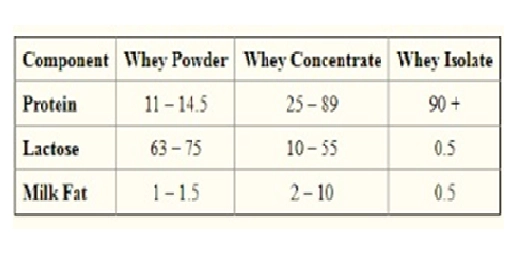
1. Whey Protein Concentrate : Whey Protein concentrate is the first type of Whey Protein. It contains 25-80% protein depending on the purity. For sports supplement mostly 80% whey protein concentrate is used and for other purposes such as clinical and infant nutrition protein with lower concentration is used. Whey protein concentrate contains various levels of fats, carbs, and lactose depending on the concentration of proteins. Protein concentrate with lower concentration or purity has a higher amount of carbs, fats, and lactose and vice versa. People with lactose intolerance or who cannot digest dairy very well can consider the other two types of protein. Whey Protein concentrate is usually manufactured using the ion-exchange or ultrafiltration method. It is usually cheaper as compared to the other two types of Proteins.

Whey Protein Concentrate tastes like a dairy product and makes an excellent thick shake when mixed with water or milk.

2. Whey Protein Isolate- Whey Protein Isolate is the choice of proteins of numerous bodybuilders, athletes, and heavy lifters. Whey Protein Isolate contains no less than 90% of proteins with very little carbs, fats, and lactose. It is also a perfect choice for people with lactose intolerance.

Whey Protein Isolate also has a higher rate of absorption due to a lower amount of carbs, fats, and lactose which may interfere with the absorption. Also, it provides the highest amount of protein per serving.

Whey Protein Isolate is usually manufactured using a microfiltration method to achieve a higher degree of purity.

Whey Protein Isolate is somewhat bland in taste due to the lower amount of lactose, it also has less thickness as compared to the whey protein concentrate.

3. Whey Protein Hydrolysate : It is the most expensive type of whey protein. Whey protein hydrolysate is partially hydrolyzed or digested using enzymes, so the rate of absorption in the body is considerably faster than the other two forms.

The degree of hydrolysis determines how fast the protein is absorbed in the body. It tastes a little different than the other two forms and needs more flavor and sweeteners to mask the bland taste.

Whey Protein hydrolysate is the protein of choice for professional bodybuilders and athletes who are preparing for an upcoming competition.

Summary: Whey protein concentrate is ideal for beginners, tastes good, and has other required macros as well. Whey Protein Isolate is ideal for lactose intolerant people, advanced bodybuilders, have a lower amount of fats, carbs, and lactose. Whey protein Hydrolysate has a faster rate of abruption, tastes bland, and has the highest price of all.
C.Properties of whey proteins-In this section we will look at various functional properties of protein apart from nutrition.

  1. Foaming – foaming is one of the most important functional properties of proteins. Whey protein-based foaming agents are widely used in bakery and dairy products to replace egg white. Whey proteins form excellent foam when shaken due to its surface properties. The more soluble proteins are, the higher amount of foam is generated. Partially denatured, heat-treated whey proteins have the poor foam-forming ability.

  2.  Emulsification – Whey proteins are used as emulsifying agents in various formulations. They are used to improve solubility and to emulsify various ingredients that will not mix otherwise. Whey proteins are also used to improve the thickness of formulations. The emulsifying property of whey proteins is largely dependent on the solubility of whey proteins.

  3. Water solubility– Solubility of whey proteins decreases with an increase in temperature. Whey proteins are treated at higher temperature denature or unfold resulting in decreased solubility.
D. Evaluation of protein
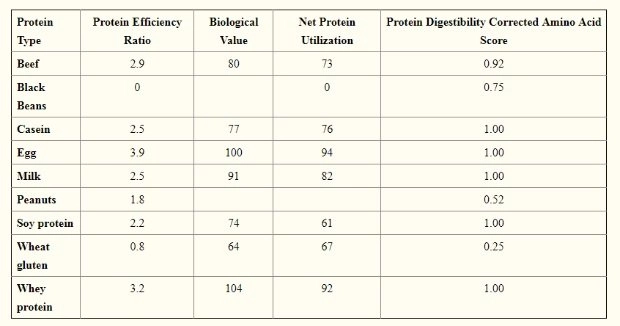
  1. Protein efficiency ratio :The protein efficiency ratio (PER) determines the effectiveness of a protein through the measurement of animal growth. This technique requires feeding rats a test protein and then measuring the weight gain in grams per gram of protein consumed. Any value above 2.7 is excellent.

  2. Biological value-The biological value measures protein quality by calculating the nitrogen used for tissue formation divided by the nitrogen absorbed from food. This product is multiplied by 100 and expressed as a percentage of nitrogen utilized.The biological value provides a measurement of how efficient the body utilizes protein consumed in the diet. Food with high biological value means a higher supply of amino acids.

  3. Protein Digestibility corrected amino acid score-This is one of the most widely used methods for the determination of protein quality.
In this method content of essential amino acid of the test, protein is presented as a percentage of the content of the same amino acid in a reference amino acid profile.

E. Is whey protein safe?
Whey protein is safe to consume, it has been approved by both FSSAI and USFDA as a food ingredient. Whey proteins have years of history of usage and sound research around its safety.Research on safety of whey proteins suggest that when consumed by healthy individual whey protein does not have any adverse impact on health. Although whey protein can cause few minor side effects such as bloating, upset stomach. These minor side effects can be easily addressed by using higher purity protein or switching to non-dairy sources of protein. Whey is a trustworthy, reliable and qualitatively better source of protein, it can help achieve fitness goals when used in conjunction with good exercise routine or it can be used to supplement our diet with high quality proteins.

References for above article
nutraceuticalsworld milkspecialties sciencedirect dairyprocessinghandbook streetdirectory ncbi.nlm.nih
Effects of Protein Intake on Renal Function and on the Development of Renal Disease Mackenzie Walse

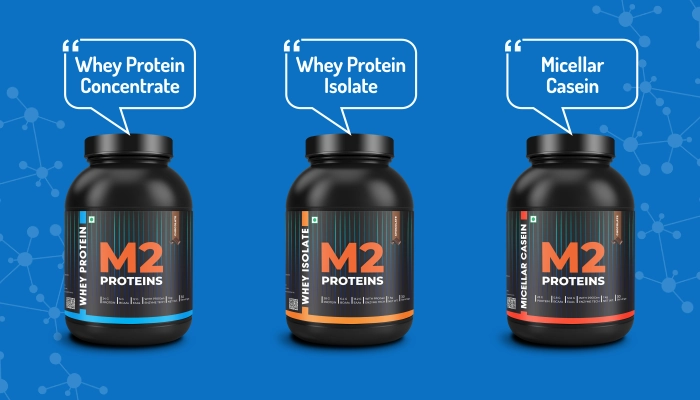
Helpful analysis of Whey Concentrate Vs Isolate Vs Hydrolysate Vs Micellar Casein

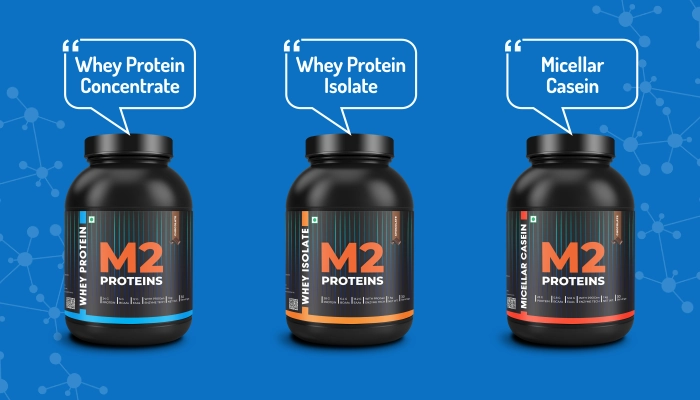
We will discuss about different forms of  Commercially available protein supplements.There are 4 major forms which are used to manufacture protein supplements.

  1. Whey Concentrate
  2. Whey Isolate
  3. Whey Hydrolysate
  4. Micellar Casein

Milk is the starting point for all above protein supplements. Milk contains about 80% casein and 20% whey. To learn more about the manufacturing process of whey protein read our other post.So lets get started on the topic.

Whey Concentrate vs Isolate vs hydrolysate vs micellar casein

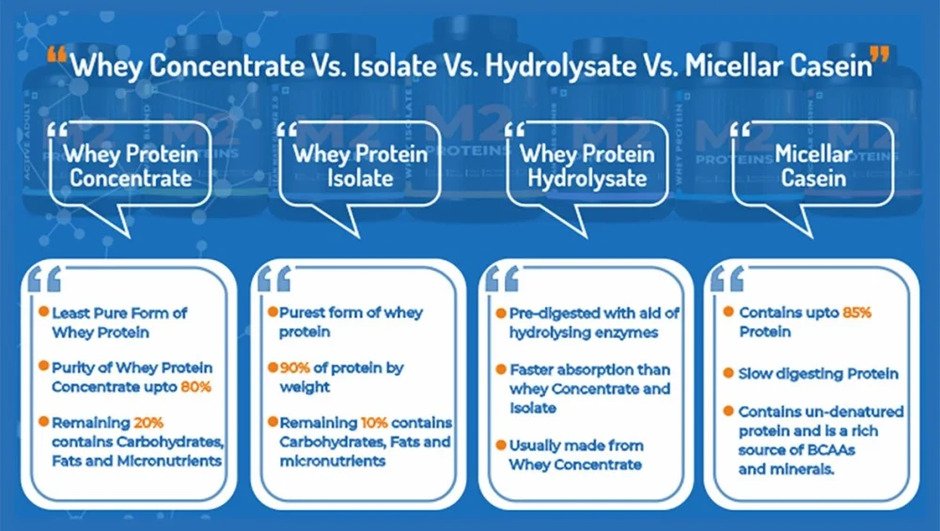
1. Whey Protein Concentrate: Whey concentrate is the least pure form of Whey. The purity of whey protein concentrate is generally 80%.

Most of the sports nutrition supplements use 80% whey protein concentrate. The ones with lower concentration are primary used in children drinks, health drinks, bakery products and prophylactic supplements.

Whey protein concentrate contains about 80% by weight protein and the rest 20% contains carbohydrates in the form of lactose, fats and micronutrients such as vitamins and minerals along with other components.

Whey concentrate is best suitable for

  • Beginners
  • People who want budget friendly protein
  • People who don’t mind few carbs and fats.

Whey Concentrate is not suitable for 

  • People who are on weight loss diet
  • People with lactose intolerance

2. Whey Protein Isolate: Whey Protein Isolate is the purest form of whey proteins available. Whey Isolates are usually 90% pure, meaning it contains about 90% protein by weight and rest of 10% is carbohydrates and fats.

Whey protein Concentrate is purified further to achieve higher degree of purity, and the final product is known as Whey Isolate.

Since both types start with the same material and differ only in purity, the form and type of amino acids present in them remains the same.

Whey Isolate contains the least amount of carbs and fats in them which makes it the choice of advanced athletes for their protein supplementation.

Whey Isolate taste a little bland as compared to whey concentrate, also when mixed with water or liquid the resulting shake is thinner than whey concentrate shake.

Whey Isolate is best suitable for

  • People who want to get muscle definition.
  • People who are on weight loss diet.
  • People who don’t mind spending little more.
  • Advanced athletes.
 

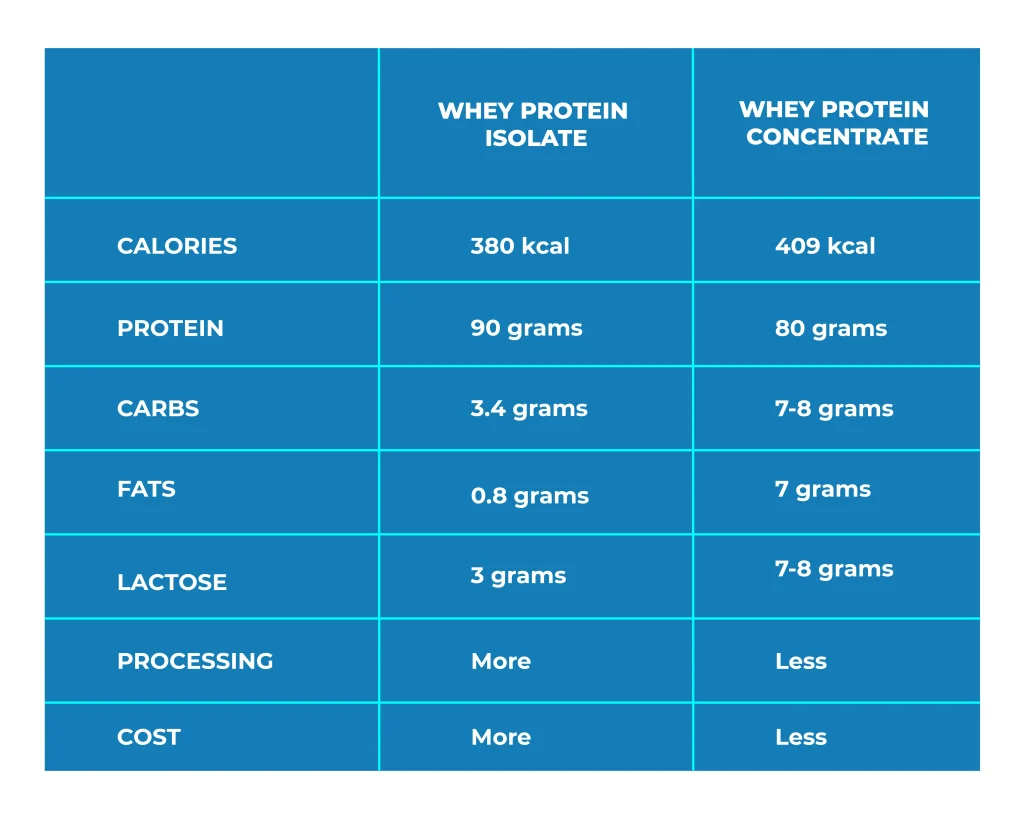
Difference between Whey Concentrate and Whey Isolate per 100 gram of product*

  Whey protein Isolate Whey protein Concentrate
Calories 380 kcal 409 kcal
Protein 90 grams 80 grams
Carbs 3.4 grams 7-8 grams
Fats 0.8 grams 7 grams
Lactose 3 grams 7-8 grams
Processing More Less
Cost High Low

 *values are approximate

3. Whey protein Hydrolysate  Whey protein Hydrolysate is obtained from either whey concentrate or whey protein Isolate.

Whey protein is partially hydrolyzed with the aid of hydrolyzing enzymes and the amino acids are broken down at specific sites into smaller fragments followed by purification to make whey hydrolysate which may result in faster absorption and digestion.

Most of the hydrolysate contain mix of fragments of amino acids and intact amino acids. The ratio of both is known as degree of hydrolysis.

Some studies in rats show that whey hydrolysates are effectively utilized than intact or free amino acids. Although trials performed in humans show conflicting results.

One study shows that whey protein hydrolysate offers faster recovery than whey isolate when consumed after workout.

Whey hydrolysates are more expensive than whey concentrate and isolate due to increased processing required to manufacture them.

Whey hydrolysate have bitter taste and the taste masking/ flavoring further increases cost of the final product.

4. Casein: Protein in milk is composed of about 80% casein and 20% whey. Casein is usually known as slow digesting protein and thus helps support muscle synthesis over prolonged period of time.

Casein is commercially found in two major forms known as calcium caseinate and micellar casein.

Calcium caseinate is formed when casein is reacted with alkaline substance such as calcium to form calcium caseinate. The resulting product has improved solubility with higher mineral content than micellar casein. But as an adverse effect of this, proteins get denatured during additional processing.

Micellar casein form micelles when mixed with liquid hence known as micellar casein, it has lower solubility than calcium caseinate which further slows down its rate of absorption.

Casein contains about 90% denatured protein and is rich source of BCAAs and minerals. Casein is usually taken at night before going to sleep to support muscle synthesis overnight.

Micellar casein is usually more expensive than calcium casein and is more preferred when choosing slow release protein.

Now a days many manufacturers develop products to contain more than one form of whey protein. It is usually done to achieve specific goals that suits needs of consumer. Blend of different forms can offer cumulative advantage but consumer should choose wisely depending on her budget particular needs and fitness goals.

Conclusion:  Both whey concentrate and Isolate offer about the same nutritional value, but people who are specific about fats, carbs and fitness goal can choose according to their needs. Whey hydrolysate offer added benefit of faster absorption but is expensive and have bad taste. Micellar casein is a preferred choice for slow release protein which is suitable for night time supplementation

Useful article on why do we need proteins & what are proteins?

Proteins:

Any food item can be broken down into macro and micro nutrients. There are three macro and several micro nutrients present in the food that we include in our diet.

The macros can be further classified as

  1. Protein
  2. Fat
  3. Carbohydrates

There are several micronutrients present in food and they vary depending upon the type of food. The minerals and different vitamins make up the micronutrient part of food.

Here in this blog we will focus on What are Proteins & Why do we need proteins.

Proteins make up about 42% of dry weight of our bodies. Proteins are large, complex molecules that are made up of hundreds or thousands of smaller units called as amino acids.

What are Proteins?

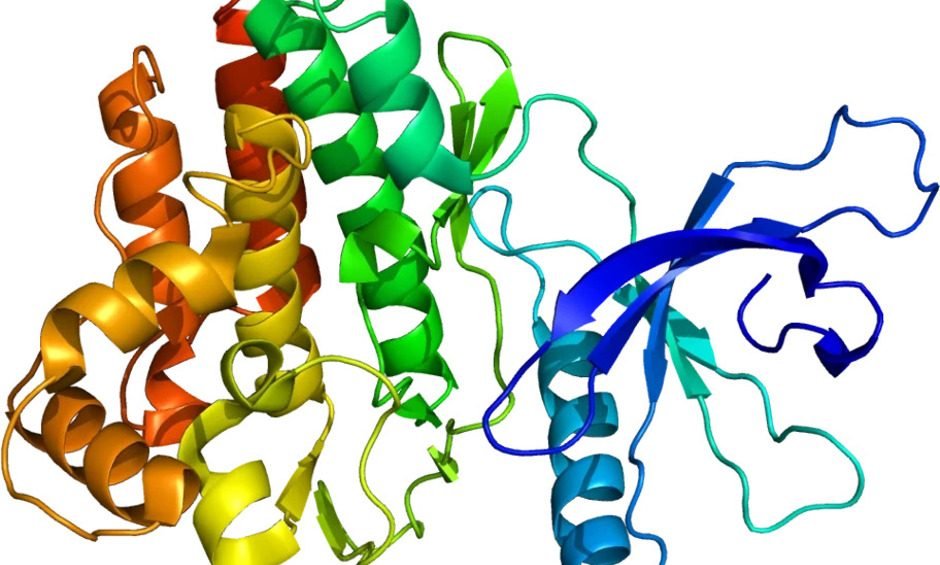
Proteins are usually folded into their 3 dimensional structure which determines their activity. A single cell can contain thousands of proteins with different shapes and functions. There are 20 different amino acids that can be combined to make proteins. These amino acids can be further classified as
  1. Essential amino acids – can not be made by body
  2. Non essential amino acids– made by body
  3. Conditionally essential amino acids– required in case of illness or stress.

Why do we need Proteins?

Proteins perform various functions in body. Some key functions of proteins in our daily lives are outlined here. Proteins form various hormones, enzymes, antibodies in our body which play very significant role in our day to day life.

Hormones: These are created by endocrines cells in the body. They carry out various physiological processes such as growth, development, metabolism and reproduction. Some hormones are steroid based and some are protein. Protein based hormones are called as peptide hormones, Insulin is one of them. Enzymes: Enzymes are required to speed up chemical processes taking place in the body. These chemical processes are mostly related to digestion of food. Ex. Enzyme Protease is required for digestion of protein, Amylase is required for carbs and lipase is required for breakdown of lipids or fats.

Transport/ Storage: These protein molecules binds to or carry atoms and small molecule within cell or throughout body. Heamoglobin binds to oxygen and carry it from lungs to the rest of body.

Antibody: Proteins which are known as antibodies bind to foreign particles such as bacteria or virus and help protect the body.

Growth and repair: Amino acids are required for building muscles as well as to repair them.

Structure: These protein provides structure and support to the cells. In short they allow body to move.
  • Keratins: form protective covering on vertebrates. Example. Hair, nails, fur, skin, claws
  • Actin and myosin: forms muscle tissue
  • Collagen: Tendons and hides

Proteins in our Diet:

We usually consume our protein via our food. Our food besides carbs and fat also contains varying levels of proteins. These proteins are carried to the intestine and digested using digestive enzymes. The quantity of proteins absorbed or made available to the body largely depends on the type of food. Here are some vegetarian and non-vegetarian sources of proteins, list below shows grams of protein per 100 gram of food that usually forms part of our diet.
No.SourceGrams of protein/ 100 grams of food*
1.Rice2.6
2.Milk3.4
3.Chapati4 grams approx.
4.Whole Eggs11 gram
5.Cashews18.6
6.Peanuts25.6
7.Chicken31
8.Soy36

*Approximate values.


Conculsion:  To conclude Proteins form integral part of our daily diet and are necessary to perform various body functions. Various vegetarian and non-vegetarian food sources provide varying amount of proteins to our body. Do make sure to consume your daily recommended intake of protein using various sources of proteins to stay fit.


References for above article

  1. https://ghr.nlm.nih.gov/primer/howgeneswork/protein
  2. https://learn.genetics.utah.edu/content/basics/proteins/
  3. https://www.azom.com/article.aspx?ArticleID=11177

Simplified article on How Whey Protein is Manufactured?

Simplified Explanation of How whey protein is manufactured ?

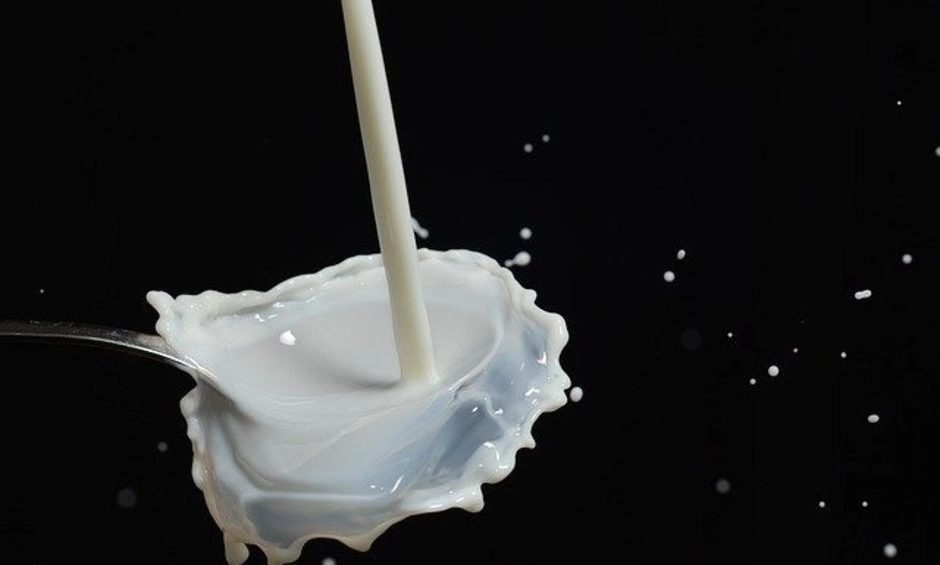
Whey protein is a milk product and is manufactured mostly from cow milk. Like any other milk product, the whey begins its journey on a milk farm or a dairy.

M2proteins offers Whey Protein, Whey Isolate & Amino Acids

Collection- This starts with healthy cows, cows with good health are chosen to collect milk from. These cows are fed with the best nutritional food, nutrients, and in most cases allowed to roam free in big green pasture fields. Milk is collected from cows and transported to the processing facility. Pasteurization- The collected milk may contain some bacteria, to get rid of these bacteria milk is pasteurized. Milk is heated to 70-80 Celsius and cooled down to 4. Once pasteurized it is transferred to further separation and processing. Separation/ Curd formation- Different enzymes are added to pasteurized milk which separates milk into liquid and solid. The liquid on the top is yellowish and called whey, while the solids at the bottom are called casein. The liquid whey comprises of 20% while the solid part is about 80%. This casein is then used to form cheese, curd, or casein protein. It’s a similar phenomenon when we make curd at home, we use leftover curd for leavening or a few drops of lemon juice for separation, the milk separates and curd is formed after some time. The yellow liquid on top that we usually throw out, is whey. Filtration- The liquid whey is then passed through a giant web of filters to separate protein from carbs, lactose, and fats. After the separation of these components to the desired level, whey protein is collected. Depending upon the type of filtration and stages of filtration used the final liquid contains 25-90% protein. Protein with high purity is called Isolate and one with lower purity is called concentrate. Usually, whey concentrate is 80% pure, but different grades are available upon requirement. Filtration is one of the most important stages in the manufacturing of whey proteins. The level of sophistication, process parameters, advanced methods play a crucial role in the quality of the final product. So we will dive a little deeper into this section. In this section, we will see the most common methods used for the filtration of whey proteins.Ion Exchange Filtration – This method takes advantage of different charges present on the protein. Some protein components are positively charged while some are negative. The liquid whey is sent through a column which has a charged membrane. The oppositely charged membrane attracts protein components while lactose, fats, and carbs are passed through the column to a receptor. Then the proteins attracted to or stuck to the membrane are released using various pH adjusting chemicals and collected.
Advantages of Ion-exchange
  • A cheaper method of production
  • Easy to scale up
  • Can be used for selective separation of whey protein components.
Disadvantages –
      • Chemicals used for the separation of protein from the membrane can change the protein profile and may render them partially denatured.
      • Can change the shape of protein which may reduce bioactivity of proteins.
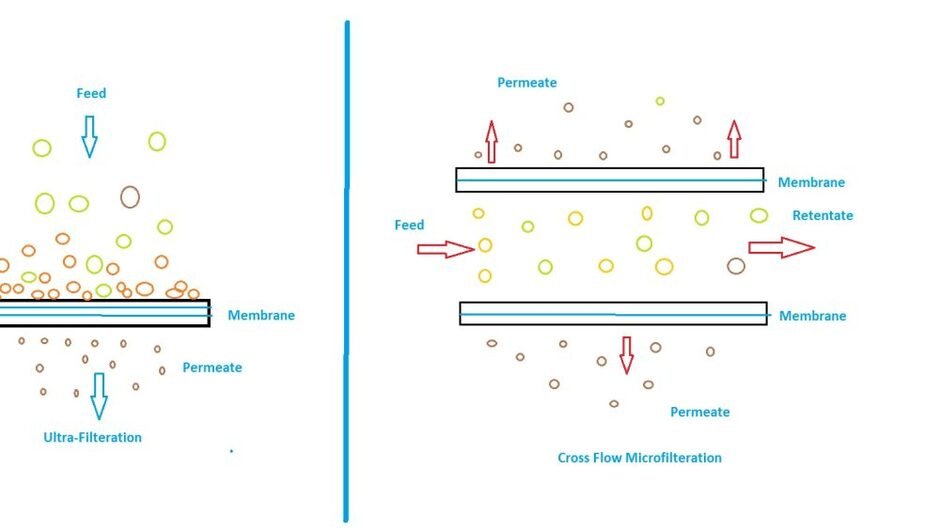
Membrane filtration– This method is quite similar to those we see often, filtration using a muslin cloth and in our water purifiers. In this method, the pressure is applied to the feed material which is then passed through a semi-permeable membrane, and the material of interest is collected from the respective side.

Ultrafiltration- It is also called as cold filtration. In this method, liquid whey is pushed through a membrane or column which has different pore sizes. The fat, carbs, and lactose present in liquid whey have a different size, so they pass through pores to the other side and collected (permeate), while proteins are collected on the column as retentate. This method does not use any harmful chemicals as the pH changes and release agents like Ion exchange is not required.

Cross-flow microfiltration- This method is similar to the ultrafiltration with exception of the shape of a column, the pore size of the column, and the flow rate of material through the column. The Crossflow microfiltration uses an even smaller pore size hence achieves a higher degree of protein purity by removing even more fats, lactose, and carbs than ultrafiltration.

Summary: All whey proteins are filtered using one of the above methods, the method used impacts the final quality and bioavailability of proteins in the body. Proteins filtered using advanced methods cost more because they help preserve the structure of final protein hence increasing bioavailability and effectiveness.

Drying- The liquid whey is then dried in a big spray drier. The liquid whey is sprayed into the dryer in the form of tiny droplets. A stream of hot or cold air is blasted on the tiny droplets, which evaporates liquid, and the solids are collected at the bottom. The solids are known as whey proteins.

Blending- Delicious flavors, sweeteners, stabilizers, enzymes, and different other ingredients based on the formulation of different brands are then added to the unflavored or raw protein. Then all the ingredients are blended in a giant blender to obtain a uniform mixture.

Quality Testing and packaging- Once blended and the final product is obtained, the product is tested for various quality parameters. If the product meets the quality standards set by the company, then the product is packed in containers and shipped out to consumers.

Summary: It’s a process similar to the formation of curd or cheese and separation of the liquid part followed by filtration and drying.

How to consume whey protein for better results?

Confused about how to consume whey protein ?

Lots of people use whey protein but there seems much confusion regarding how to consume whey protein, when to take it and how much to take. This blog tries to answer all of above queries in one place.

Milk or water?

Whey proteins can be taken with both milk and water

    1. Water:It is always suggested by trainers and athletes to take whey protein with water. Since mixing it with any other liquid can delay absorption of proteins. So if you are taking your whey after workout it is best to use water. Also water do not add any calories, fats and carbs to the shake. So people who are on weight loss diet, in cutting phase or trying to gain muscles are advised to take whey protein with water.
    2. Milk: Whey protein with milk tastes delicious. It tastes creamy and gives more mouthfeel than water. It almost tastes like any milk shake that you get in a restaurant. But adding milk adds calories, fats and carbs as well. So it is not recommended for people who are on weight loss diet or in cutting phase. Also milk can cause gastric discomfort to people who suffer from lactose intolerance. For people who are trying to put on mass, gain weight and not worried about additional fats and carbs present in milk, taking protein with milk is a great option.
 

M2proteins offers Whey Protein, Whey Isolate & Amino Acids

How much protein to take ?

    1. For active adults: People who live active life style are recommended to consume 0.8 – 1.2 grams of protein per kg of body weight per day. For example a person weighing about 60 kilos will need about 60 grams of protein daily. Calculate the amount of protein you are consuming daily from your diet and take the rest via whey protein.
    2. For people lifting weight, athletes: People who lift weight for at least 4 days a week, who are athletes, runners can consume up to 1.8 to 2.2 grams of protein per kg body weight per day. For example a weight lifter who weighs 80 kilos can consume up to 160 grams of protein per day. Calculate the amount of protein that you are already consuming via your daily diet and take the rest of amount with whey proteins.
 

*people should consult their dieticians, nutritionist for a detailed diet plan. Diet plans vary greatly according to age, sex, and life style and fitness goals.


When to take whey protein:

    1. Pre-Post workout: taking a protein shake after workout is a great way to get protein to muscles immediately. After workout muscles break down and to rebuild them it is important to supply proteins in sufficient quantity.
      There is much debate around whether to take protein shake pre or post workout, in one study, protein was administered to two groups of people, one group before workout and the other group after, there was no difference found in muscle growth between two groups.So, taking protein shake before or after workout does not matter as much as the quantity of protein. But if you don’t want your shake sloshing around in stomach during workout you can opt for post workout protein shake.
    2. At night- Taking protein at night is a great way to support muscle protein synthesis overnight. At nights you can opt for slow release protein such as casein. The slow rate of release of casein can give you sustained release of proteins over longer period of time.
    3. Breakfast- you can take a protein shake along with your breakfast to complement your diet. Just add a scoop of protein to beverage of your choice and drink it with your breakfast.
    4. Throughout the day: People who perform intense exercise can take protein throughout the day to support muscle growth and recovery. Spread your requirement in equal amount in 3-4 servings and take them during the day.

Conclusion :

Taking whey protein shake is a great way to get required amount of protein every day. It is tastes delicious with both water and milk. Consume your protein as per your level of activity.

Seriously! Does whey protein have any side effects?

Tons of Research on Whey protein Side effects

​We all want to look better, better than most people surrounding us. We want to have great abs, big shoulders, and arms that pop out of our new t-shirt. We join a gym, get a personal trainer, and hit those weight hard. Soon to realize that our daily diet is not enough to support the nutritional needs of our new workout regime.

One usual way to achieve better results is to take protein supplement, gym trainer says so, you read online about the great benefits and hear from your gym buddies, but you are a little afraid that there might be some side effects of that magic stuff. You are not alone, most of us are. So, here we are going to discuss if whey protein really has any serious side effects? Is it going to harm your body?

Whey protein as a protein supplement has been around since almost 1960, however evidence of usage of whey in diet can be found since early 1500. It is after the advent of sophisticated filtration techniques whey protein took off. Since 1980 whey is being used as a quality source of protein supplement for many.

So whey has been on the market now for almost 5 decades, as a food supplement it is deemed as safe by both USFDA and FSSAI (India) and other regulatory agencies around the world. There is tons of research that have been performed and ongoing on the effectiveness and possible side effects of whey, given its high worth as one of the most effective protein sources.

M2Proteins is a reliable & trustworthy source of all types of Whey Protein products.

Most discussed Whey Protein Side effects

Let’s see if whey protein does cause any damage to our health? Here are some most discussed whey protein side effects on various elements of our body. Lets see how serious they are or it is just an irrational fear.

  1. Hair loss
  2. Acne
  3. Weight gain
  4. Kidney
  5. Liver
  6. Digestion
  • Do Whey Protein cause hair loss?
  • The usage of whey protein leads to an increase in the levels of testosterone. Many other factors cause an increase in testosterone levels, some of them are exercise, lifting weights, age, eating fat, and carbohydrates.
  • An increase in testosterone level is desirable for many since it helps build muscles and offers other numerous benefits. However, testosterone leads to the formation of a metabolite named DHT (Dehydroxy Testosterone) and studies suggest that this hormone is an even better stimulator of muscle growth than testosterone (1). However, this hormone indirectly causes hair follicles to shrink, which leads to hair fall or a condition named male pattern baldness.
    A study led by a renowned hair transplant surgeon suggests that Whey protein concentrate along with some vitamin supplements can lead to a decrease in hair fall. However, there is no direct link between whey protein and hair loss, plenty of other factors lead to an increase in the level of the male hormone testosterone. Being that said,  If you experience hair loss after taking whey protein, reduce your consumption.
  • Does Whey protein cause Acne?
  • Similar to hair loss, whey protein does not have any direct link to acne. Studies suggest that a lot of things such as food, dairy, age, cosmetics, fatty food, and food with a high glycemic index, stress, and hormonal imbalance, fatty food can lead to acne.  But let’s discuss the effects of whey protein here, Consumption of dairy or whey protein can lead to increased levels of IGF-1 (Insulin-like Growth Factor), which leads to an increase in sebum production. Increases in sebum production lead to acne. Studies show that the appearance of acne associated with Whey protein decreases over time (2). So, if you experience the appearance of acne after whey protein consumption, decrease your intake, and wash your face with a good facewash couple of times a day.
  • Does Whey protein cause weight gain?
  • Anything that is consumed in excess can cause weight gain, given simple logic that consumption of more calories than required results in weight gain.
    However, when consumed within the limits of the daily required amount whey does not cause weight gain as carbohydrates or fat can.
    Studies were performed to determine the effects of a high protein diet on body composition. Two groups consuming high protein and low protein diets over a period of time were studied. At the end of the study, both groups showed no difference in body fat. The high protein group consumed as high as five times as protein as the normal requirement (3).
    Also, another study was conducted on a group of obese females to determine the effects of a high protein diet on weight loss. The two groups were asked to consume a high protein/ high fiber vs. low protein diet, at the end of the study the high protein group showed higher weight loss as compared to the group with a low protein diet (4). When consumed within limits whey protein does not lead to weight gain, studies show that a high protein diet leads to weight loss when combined with exercise.
  • Does whey protein affect the Kidney?
  • No, in healthy individuals when consumed within the daily recommended limit whey does not cause any damage to the kidney. So, how whey is related to kidneys? Whey contains proteins, which are metabolized to urea by the liver and the urea is excreted by the kidney along with water. So the assumption is that the excess consumption of whey leads to excess urea formation which stresses kidneys and leads to kidney damage. But that’s the normal function of kidneys, isn’t it, to excrete waste products. The glomerular filtration rate of the kidney is a measure of the health of the kidney. Higher GFR rate is associated with higher protein intake, obliviously to excrete the higher amount of waste, but studies show that the dietary protein had no effect on the changes of GFR rate, and high protein intake does not adversely affect kidney function in healthy adults (5) when consumed within daily recommended allowance (6)(7). High protein intake does not lead to kidney damage in healthy individuals, but people with pre-existing kidney disease or dysfunction should consult their physician before consuming any protein products.
  • Does Whey Protein consumption have any side effects on the liver?
  • Whey protein undergoes metabolism in the liver, where the ammonia from amino acids is converted to urea and then the Urea is passed to kidneys for excretion. It is assumed that higher protein intake will stress the liver due to metabolizing higher quantities of protein and, it may cause damage to the liver. However, there is no evidence to suggest that higher protein intake can cause liver damage. A study performed on rats fed with a high protein diet showed some changes in liver mitochondria but, the changes were adaptive to respond to the higher metabolic stress and not pathological (8). Studies also suggest the importance of a high protein diet for individuals who are alcoholics and have liver disease (9).
    One study further suggests that a high protein diet can improve hepatic function in patients with hepatic liver disease (10). So far, studies are only pointing out the beneficial effects of a high protein diet on the liver, and given no evidence to suggest otherwise, we can safely say that the fear of liver damage due to a high protein diet is baseless.
  • Does protein cause bloating, gas, and upset stomach?
  • In some cases, yes. Whey protein does cause bloating, gas, and upset stomach in individuals with lactose intolerance or when consumed in excess amounts.
    Lactose intolerance: It is a condition where an individual is not able to digest lactose due to decreased production of an enzyme required for digestion of lactose. The undigested lactose causes gas, bloating, or a distressed stomach.
    Whey protein such as concentrate contains some amount of carbohydrates in the form of lactose. So when consumed by people with lactose intolerance whey concentrate can upset the stomach. This can be easily overcome by
          1. Consuming Lactase enzyme supplement or Switching to high-purity Whey protein such as Whey Isolate which contains a minimum amount of carbs.
          2. If still the problem persists, switch to plant proteins.

        Another case when Whey protein can cause gas or bloating is when consumed in excess amount. When our body has reached its full capacity to digest the protein, the un-digested part travels to the large intestine, where the intestinal bacteria ferment the undigested protein and produce gas.
        This is a very common occurrence with people consuming a high amount of protein in any form.

        Simply cut down your consumption and gradually increase the dose.

    To summarize, Whey protein can indirectly lead to some minor side effects, the effects of which can be minimized easily, and there is no evidence to suggest any ill effects of whey protein on the kidney in healthy individuals.

References: 


  1. Dihydrotestosterone stimulates amino acid uptake and the expression of LAT2 in mouse skeletal muscle fibres through an ERK1/2-dependent mechanism
  2. Acne located on the trunk, whey protein supplementation: Is there any association? Fatma Pelin Cengiz, , Bengu Cevirgen Cemil, Nazan Emiroglu, Anil Gulsel Bahali, and Nahide Onsun 
  3. The effects of consuming a high protein diet (4.4 g/kg/d) on body composition in resistance-trained individuals Jose Antonio*, Corey A Peacock, Anya Ellerbroek, Brandon Fromhoff and Tobin Silver
  4. Comparison of high protein and high fiber weight-loss diets in women with risk factors for the metabolic syndrome: a randomized trial Lisa A Te Morenga, Megan T Levers, Sheila M Williams, Rachel C Brown & Jim Mann 
  5. Changes in Kidney Function Do Not Differ between Healthy Adults Consuming Higher-Compared with Lower- or Normal-Protein Diets: A Systematic Review and Meta-Analysis
  6. A Systematic Review of Renal Health in Healthy Individuals Associated with Protein Intake above the US Recommended Daily Allowance in Randomized Controlled Trials and Observational Studies Mary E Van Elswyk,1 Charli AWeatherford,2 and Shalene H McNeill3
  7. Effects of Protein Intake on Renal Function and on the Development of Renal Disease Mackenzie Walser
  8. Jorda, A., Zaragosa, R., Portoles M, Baguena-Cervellera R. and Renau-Piqueras J. (1988) Long-term highprotein diet induces biochemical and ultrastructural changes in rat liver mitochondria. Archives of Biochemistry and Biophysics
  9. Navder, K.P. and Lieber, C.S. (2003b) Nutrition and alcoholism. In: Nutritional Aspects and Clinical Management of Chronic Disorders and Diseases. Ed: Bronner, F. Boca Raton, FL
  10. Mendenhall, C.L., Moritz, T.E., Roselle, G.A., Morgan, T.R., Nemchausky, B.A., Tamburro, C.H., Schiff, E.R., McClain, C.J., Marsano, L.S. and Allen, J.I. (1993) A study of oral nutrition support with oxadrolone in malnourished patients with alcoholic hepatitis: results of a Department of Veterans Affairs Cooperative Stu

Reliable article on What is whey isolate?

​Whey isolate is one the most well-known protein supplements in the market. Whey isolate has been the choice of many athletes and bodybuilders for a long time. So what is it about the whey isolate that makes it better? What is it exactly and where it comes from and how can you get the best out of it. In this article, we will answer these questions. So let’s dive in.

    1. What is whey isolate ?

      Whey isolate is a protein obtained from milk. Milk proteins are divided into two categories, casein, and whey. Whey isolate belongs to the whey category of milk proteins. Whey isolate is known for its higher purity. Whey Isolate in raw form contains about 90% proteins.

    2. Source of whey Isolate

              Whey proteins are obtained from milk, milk protein contains whey and casein protein,                  out of which around 80% is casein and 20% is whey.
              The manufacturing of whey Isolate begins with the liquid whey that is obtained during                  the cheese-making process (the yellow liquid that we see formed on curd). The liquid                  whey contains carbohydrates, fats, and other micro-ingredients besides proteins.                          Liquid whey is then filtered using different membrane filters to remove the carbs, fats,                  and micro-ingredients. After passing liquid whey through different filters whey protein                  isolate containing about 90% proteins is produced.

  1. What is the difference between whey concentrate and whey Isolate?

    The primary difference between whey concentrate and whey isolate is the amount of proteins it contains. The usual raw whey concentrate that is used in major sports nutrition supplements contains about 80% proteins, this whey concentrate is filtered further to remove additional lactose and fats to make whey isolate. Raw whey Isolate has a purity of about 90%, meaning it contains 90% of protein by weight.
    Whey concentrate contains about 7% carbs and a few percent of fats while whey isolate contains an even lesser amount of carbs and fats. The percentage can vary a little bit depending on the manufacturer, the filters used during manufacturing, the season of the year, the source material i.e milk, etc.

    Difference between Whey Concentrate and Whey Isolate per 100 gram of product*

    1. Which is better whey concentrate or whey Isolate?

            In terms of purity, whey isolate is better than whey concentrate. Whey Isolate has the                    highest amount of protein by weight, also the least amount of carbohydrates and fats.                But it does not mean whey concentrate is inferior in terms of quality.
            Which is better for individual use depends on the fitness goals of the individual and                      several other factors.

           Whey Isolate is best suitable for
        i) People who want to build lean muscles.
       ii) People who are on a weight loss diet.
       iii) People who don’t mind spending a little more.
       iv) Advanced athletes.
       v) If you are lactose intolerant.

        Whey concentrate is best suitable for
       i) Beginners
      ii) As a daily protein supplement
      iii) Recreational athletes and bodybuilders
      iv) People who want a budget-friendly protein.
      v) People who don’t mind a few carbs and fats.

      You should consider the above factors while deciding between whey protein concentrate            and whey isolate.
      Whey Isolate is especially good for people who are lactose intolerant and on a fat loss diet          since it contains the least amount of carbohydrates and fats with the highest amount of              protein per serving.

  1. Usage of Whey Isolate

    Whey Isolate can be used as a protein supplement when it is not possible to fulfill your daily recommended protein intake through diet alone. It is also used as a part of a weight loss diet. When you are consuming a low-calorie diet, whey protein can help you provide more energy and proteins to preserve muscle mass.
    It is majorly used as a supplement for gaining lean muscles since it contains a high amount of proteins with the least amount of carbs and fats.

  2. How to take whey Isolate?

    It is recommended to take whey Isolate with water rather than milk. Milk will add additional calories, carbs, and fats that you are trying to avoid by taking whey isolate. Add a scoop of whey protein isolate to 200 mL of water and shake.

  3. When to take Whey Isolate?

    Well, it depends on how you are using it.
    If you are using it as a protein supplement for your workout then post-workout consumption is recommended.
    If you are using it as a part of your weight loss diet then consumption with breakfast, in between meals is recommended.
    If you are just using it to add more protein to your diet then breakfast, in-between meals, at bedtime is recommended.

           Whey protein isolate is type of protein obtained from milk and it has the highest amount             of proteins with the least amount of carbohydrates, fats and other micro-ingredients as               compared to the other sources of proteins. Given its higher purity it has been the choice             of protein supplement of many for a long time.


Shopping cart close