
Whey Protein

Science behind muscle growth and powerful role of proteins

Lots of us want to get those Instagram worthy ripped muscles, so we lift weights, do crunches, bench press, and gulf down that delicious whey shake to help muscle growth. But do we understand what is going on behind the scenes, how that bench press and hammer curls are helping our muscles grow, how that protein in the shake works? I hope that understanding the science behind these processes will help you to see the picture clearly and appreciate the hard work you are putting in.

In this article we will see how our muscles grow, what is the physiology behind their growth, and the role of proteins in their growth. The whole process is very technical, but I will try to keep it simple so it can be easy to understand for a layman.

“There is a tendency to think that there is a magic powder or supplement that will give you the physique of your dreams, but there is no substitute for hard work and commitment,”

“Building strength takes years, not weeks or months. It is an act of discipline and must be earned through commitment to hard training and a good diet.”

– Chris Gibbons, Powerlifter.

  1. How muscles grow?

    When exposed to stress the muscles get damaged. Muscles grow when damaged muscle fibers are repaired by our repair mechanism. This repair results in increase in the size of muscle fibers which leads to muscle growth. 

    Let’s go in little detail about muscle building and resistance exercise. The exercise which involves lifting/ pulling weights is known as resistance exercise. This exercise causes our muscles to contract and stretch. It causes something known as muscle trauma in clinical language or damage of muscle fibers.

    When our muscles are subjected to stress, this stress produces microtears in our muscles, our muscles suffer an injury that needs to be fixed. Since our muscle fibers are not replaced a robust repair mechanism is required and our body has the best repair mechanism.

  2. Physiology of muscle growth

    This repair mechanism sets off a cascade of events to repair those microtears. Cells known as satellite cells move to the damaged area, they fuse to each other and to the damaged fiber which increases the cross-sectional area of the muscle fiber resulting in the bigger fiber which ultimately leads to increased strength and size of the muscle fiber.

    It’s like when you are trying to repair a crack on your wall, you take some cement and use the cement to fill the gap, which strengthens the wall.

    The resistance exercise stimulates various pathways in the body which further stimulates muscle protein synthesis. Resistance exercise also increases the level of growth hormones and testosterone in the body. Off-course the levels of increase is dependent on the intensity of exercise.

    Exercise also triggers fat metabolism where fat is used as an energy source, both testosterone and exercise increases uptake and incorporation of amino acids into skeletal muscles.

    The process of the increasing size of muscles through exercise is known as muscle hypertrophy and the process of producing proteins to repair damaged muscles that result in muscle growth is known as muscle protein synthesis.

    When this process is repeated again and again we get those picture-worthy muscles. Resistance exercise is a powerful stimulator of muscle protein synthesis and muscle growth. In an untrained individual, the gains are not evident in the early days. It takes weeks to months for resistance exercise to show its full effect on muscle growth, so if you don’t get big muscles in the early days of your workout, don’t be disheartened, the process is underway, have patience.

    Some of the other factors which determine your muscle gains are your age, gender, and genetic background, your hormones, and more than this your willpower, discipline, and willingness to sacrifice!

  3. Role of proteins in muscle growth:

    Proteins provide building blocks which are required for muscle growth.We all know that proteins play a very important role in muscle building beside performing other functions in the body. But how all this works, let’s take a look.An equation plays a crucial role in determining whether you will grow the muscles or not, and that is the nitrogen balance of the body.

    Nitrogen balance = nitrogen intake- nitrogen loss
    Or
    Nitrogen balance = Muscle protein synthesis- muscle protein breakdown

    Muscle protein synthesis and breakdown are dynamic processes, it is always ongoing in our body to repair muscles.

    To gain muscles or build muscles the balance needs to be on the positive side, in other words, the rate of muscle protein synthesis needs to be higher than muscle protein breakdown.Again, going back to that wall-building metaphor, we can build a wall only if we have enough raw material required to build a wall.

    Consuming enough proteins helps maintain higher levels of amino acids in circulation, this keeps nitrogen balance positive and the muscles protein synthesis at a higher level.Muscles are made from amino acids which are obtained from proteins, which makes protein building blocks of our muscles, and only consuming enough protein help us to build good muscles. (since the essential amino acids can’t be synthesized in the body, we need to consume via our diet).When we have excess amino acids in blood circulation the balance remains positive, and when we have a lower amount of amino acids the balance shifts to negative

    The negative balance causes the body enter catabolic phase, meaning the body will break down the existing muscles to obtain amino acids required for this repair work resulting in loss of muscle mass.

    The amino acids are obtained from the breakdown of protein, and consuming enough proteins helps to have a higher amount of amino acids in circulation.

    During exercise or with a higher level of activity the demand for protein is significantly increased, which makes it necessary to consume more proteins. These proteins can be obtained through our regular diet with protein rich food or through supplements.

    Protein supplements such as whey proteins help us easily fulfill our increased protein requirements in a very convenient and effective way. Thus whey proteins helps build muscle by helping us fulfill our daily required protein intake. Products such as Whey protein concentrate, whey protein isolate, whey hydrolysate are some of the best sources of proteins.

    So, to conclude, Our muscles grow through repairing the damage caused due to exercise and to repair this damage enough proteins are required to be present in blood circulation. Having enough proteins in circulation helps muscle grow and become larger and stronger.

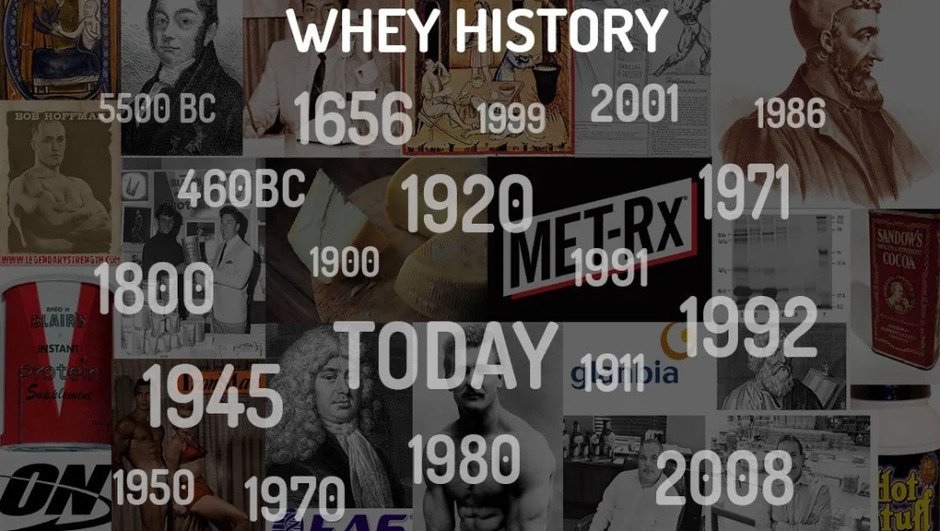
Whey protein history & its interesting journey

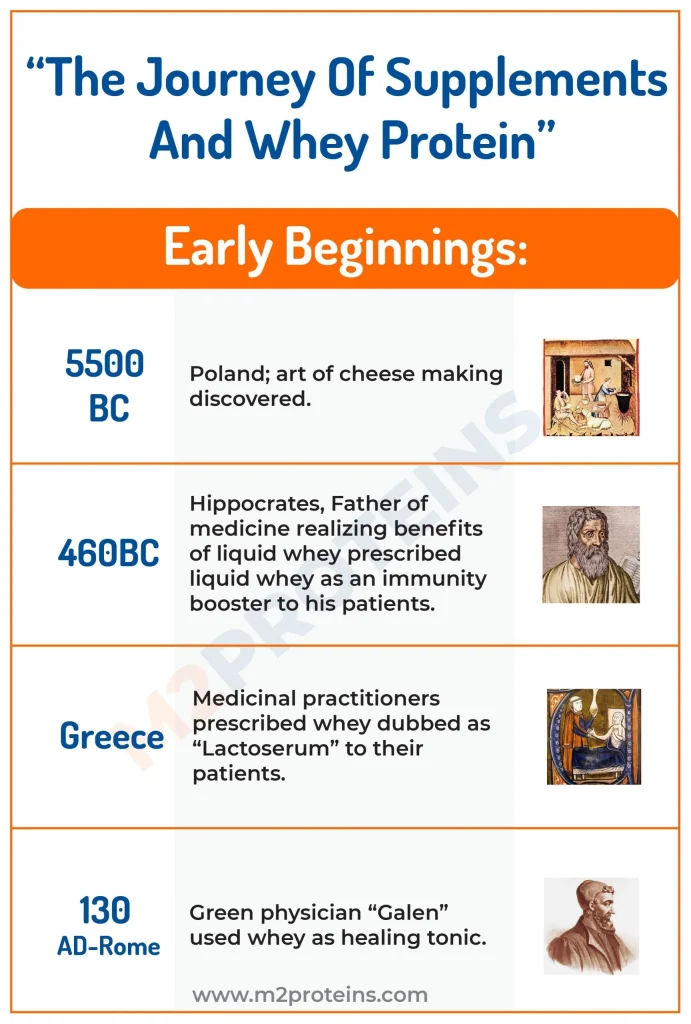
Whey was introduced to humans long back ago, longer than you and I can imagine, the early medicinal practitioners realized the benefits of whey and started using it to treat various elements. Let’s go back in history to follow the amazing journey of discovery of whey to the current status of whey proteins. The first use of liquid whey is recorded by none other than the Father of medicine Hippocrates in 460 BC.

Early beginning of supplements and whey proteins:

5500 BC: Poland; art of cheese making discovered.

460 BC: Hippocrates, Father of medicine realizing benefits of liquid whey prescribed liquid whey as an immunity booster to his patients.

Greece: Medicinal practitioners prescribed whey dubbed as “Lactoserum” to their patients

130 AD-Rome: Green physician “Galen” used whey as healing tonic


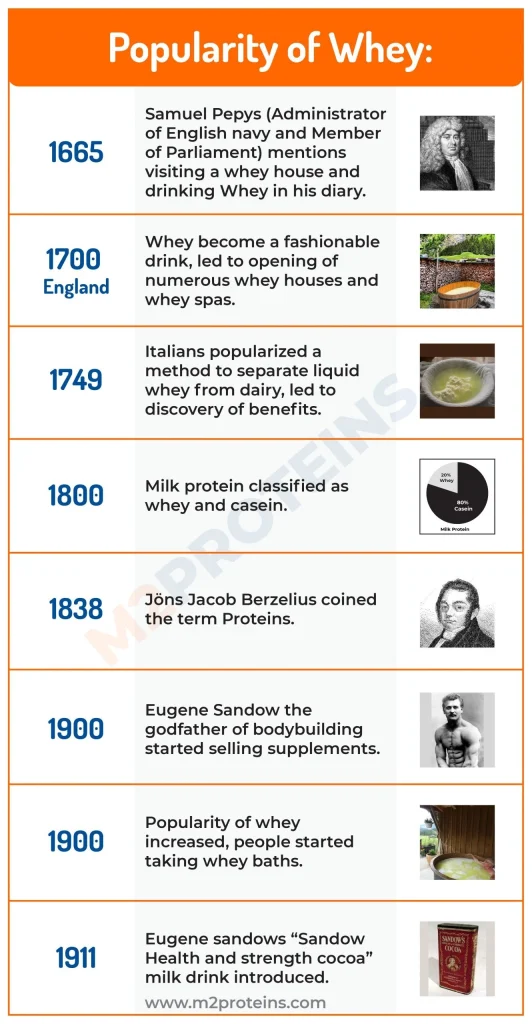
Popularity of Whey:

Once the health benefits of whey became known, many people started using it for various benefits. The growing use of liquid whey resulted in the increasing popularity of whey. People started looking at whey in more detail to discover its components and its possible benefits. It seems though during early 1600 to 1900 it remained accessible to the only elite population through things such as spas and baths. It will take a couple of more decades and significant research to make its way to the general public.

1665 Samuel Pepys (Administrator of English navy and Member of Parliament) mentions visiting a whey house and drinking Whey in his diary.

1700 England: whey become a fashionable drink, led to opening of numerous whey houses and whey spas

1749: Italians popularized a method to separate liquid whey from dairy, led to discovery of benefits.

1800: Milk protein classified as whey and casein

1838: Jöns Jacob Berzelius coined the term Proteins

1900: Eugene Sandow the godfather of bodybuilding started selling supplements.

1900: Popularity of whey increased, people started taking whey baths

1911: Eugene sandows “Sandow Health and strength cocoa” milk drink introduced.


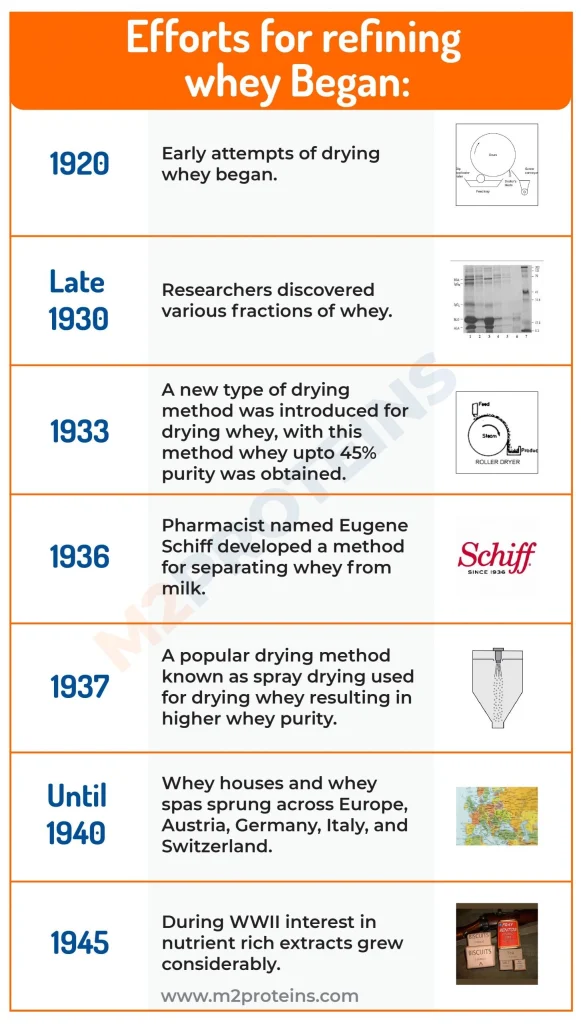
Efforts for refining whey Began

The rise in popularity of whey and its newly discovered usage in bodybuilding really got the scientist thinking about refining it. In early days whey was used in its raw form meaning liquid whey. It was not refined in any way, soon after the efforts to refine whey took off, using early filtration and drying methods. The refining of whey had a significant impact on the way it was used, although the practice of whey baths continued, the early refining efforts helped it to gain status of nutrient rich food than just a fashion drink.

1920: Early attempts of drying whey began.

Late 1930: Researchers discovered various fractions of whey.

1933: A new type of drying method was introduced for drying whey, with this method whey upto 45% purity was obtained.

1936: Pharmacist Eugene Schiff developed a method for separating whey from milk.

1937: A popular drying method known as spray drying used for drying whey resulting in higher whey purity.

Until 1940: Whey houses and whey spas sprung across Europe, Austria, Germany, Italy, Switzerland

1945: During WWII interest in nutrient rich extracts grew considerably.


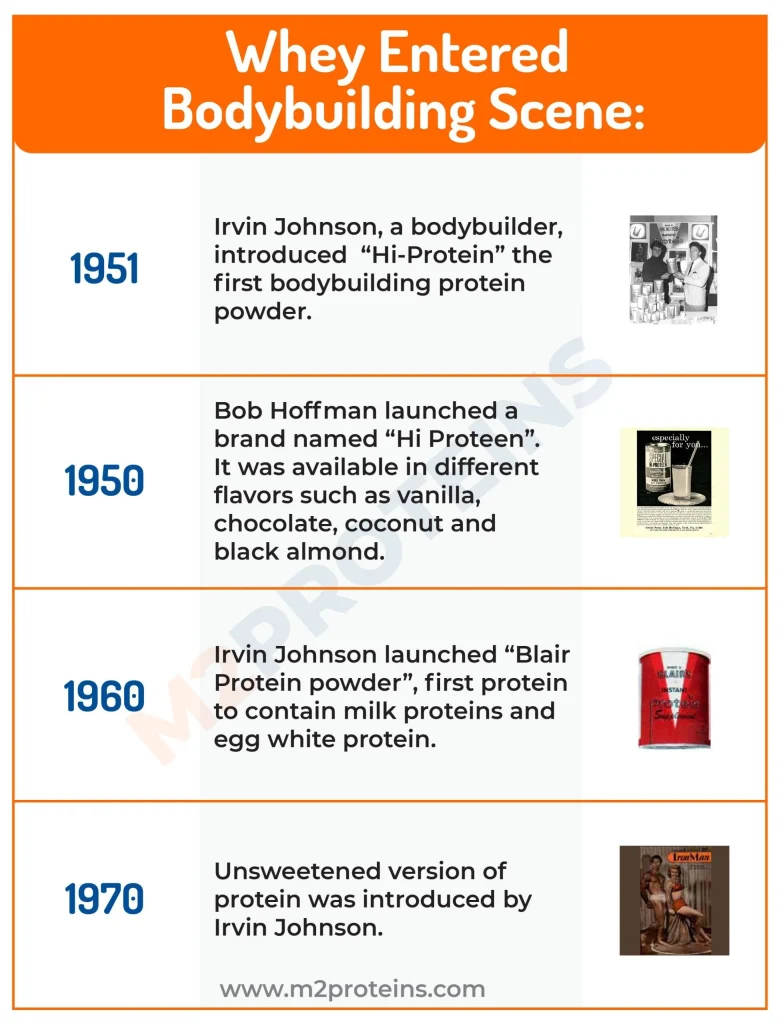
Whey Entered Bodybuilding Scene

The increase in purity achieved by early refining and research around proteins helped whey make its introduction as bodybuilding supplement. Role of proteins in muscle building and the higher purity was mainly responsible for securing its place in the world of bodybuilding. It did not take long for notable bodybuilders to launch protein products for the bodybuilding community.

1951: Irvin Johnson, a bodybuilder, introduced “Hi-Protein” the first bodybuilding protein powder

1950: Bob Hofffman launched a brand named “Hi Proteen”. It was available in different flavors such as vanilla, chocolate, coconut and black almond.

1960: Irvin Johnson launched “Blair Protein powder”, first protein to contain milk proteins and egg white protein.

1970: unsweetened version of protein was introduced by Irvin Johnson


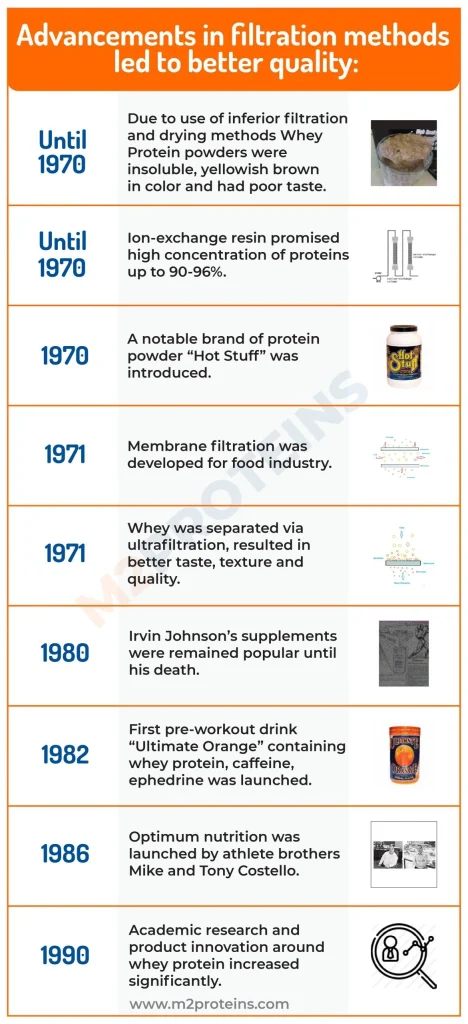
Advancements in filtration methods led to better quality:

Although the whey had made its way into the world of bodybuilding and was popular than ever, it was nothing like the whey we know today. The early whey had a bad taste, wasn’t much soluble and just wasn’t appealing to general consumer. Still many bodybuilders may have gulped down thousands of shakes of bland tasting protein only due to its health benefits. Introduction of new drying methods and their advancements made whey better in terms of not only quality but also improved its physical characteristics.

Until 1970: Due to use of inferior filtration and drying methods Whey Protein powders were insoluble, yellowish brown in color and had poor taste.

Until 1970: ion-exchange resin promised high concentration of proteins up to 90-96%.

1970: A notable brand of protein powder “Hot Stuff” was introduced.

1971: Membrane filtration was developed for the food industry.

1971: Whey was separated via ultrafiltration, resulting in better taste, texture and quality.

1980: Irvin Johnson’s supplements remained popular until his death.

1982: First pre-workout drink “Ultimate Orange” containing whey protein, caffeine, and ephedrine was launched.

1986: Optimum nutrition was launched by athlete brothers Mike and Tony Costello.

1990: Academic research and product innovation around whey protein increased significantly.

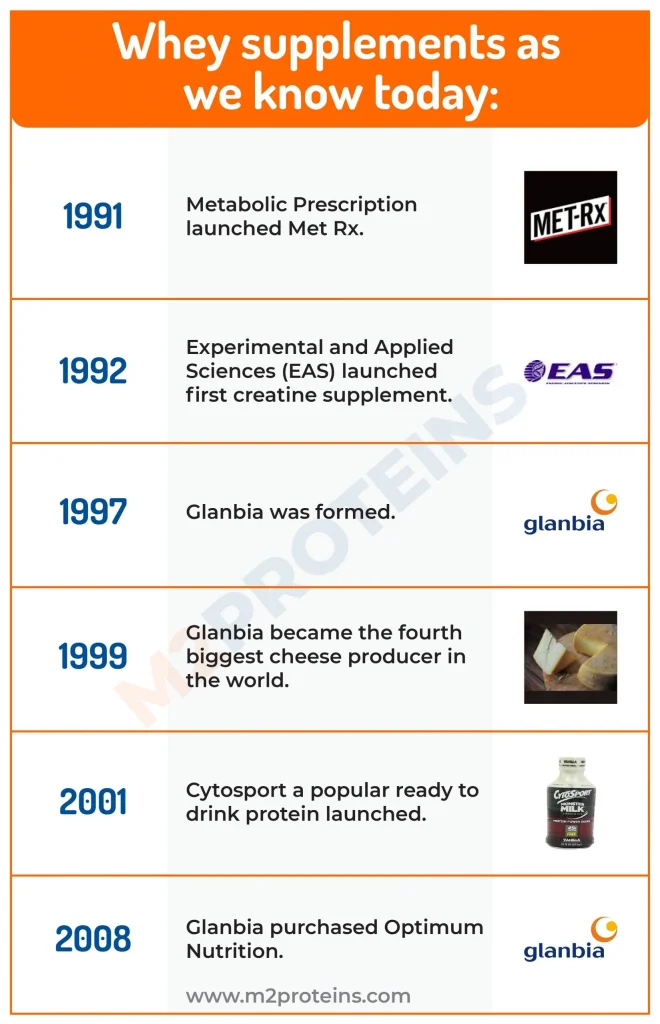
Whey supplements as we know today

The discovery of benefits of whey and increased research to obtain better quality whey made big companies take whey seriously. In early days only smaller companies were trying to make and sell protein supplements. But the increased research around whey and the proven benefits got large players interested in the product.

1991: Metabolic Prescription launched Met Rx

1992: Experimental and Applied Sciences (EAS) launched first creatine supplement

1997: Glanbia was formed.

1999: Glanbia became the fourth biggest cheese producer in the world.

2001: Cytosport a popular ready to drink protein launched.

2008: Glanbia purchased Optimum Nutrition

Today

After 1990 the world saw the advent of major nutritional brands and vertical integration of dairy companies by purchasing leading nutritional supplement brands. The growth of today’s market is fueled by constant product innovations and new understanding of human nutrition. We have a wealth of research at hands to verify the marketing claims made by companies.

Today the goal of major whey and performance nutrition companies is to offer better nutrition products to help achieve better health and level of nutrition. Whey protein now can be found in infant nutrition formulas to supplements for elderly. Whey protein has been a part of human nutrition from 460 BC till now and it will be for the foreseeable future.

How much time it takes for whey protein to show results?

Well everyone is after this crucial question. How long will it take for whey protein to show results? And it is understandable. All of us who work out, want to achieve our fitness goals & have a desire to know, how whey protein is going to work. How long whey protein will take to show positive results? It’s the question that everybody asks, but the answer is not that easy. 

In this article, we will try to answer this question with the help of some established research. After reading this article you will get a fair idea that how long it will take for whey protein to work for you. 

As we all know at this point protein is one of the important macro ingredients that we need daily and it plays several important roles in our body. 

Whey protein is one of the widely used protein supplements and it is a choice of many athletes, bodybuilders, and adults for their daily protein requirements. 

Plenty of already established research shows that whey protein works, how it works, and how it helps us in muscle building and maintenance of muscles.

Many beginners and first-time buyers have this question that how long will take whey protein to show results, and it’s an obvious and fair question to ask. 

But before diving into it let me make one thing clear for all, Whey protein is not some magic powder, it’s simply a purified form of protein and a convenient way to consume it. 

For this discussion, we will assume that you are following your diet, exercise and putting all the efforts you can into your bodybuilding.

We will take a look at few pieces of  research involving whey protein supplements and their results on lean body mass as compared to other supplements and placebos. We will discuss the effect on lean body mass and how long did it take for them under controlled conditions and observation to achieve those results.

Usually, it takes up to 6 weeks for whey protein to show results

A) 3.1 kg gain in 12 weeks with Whey Supplements:

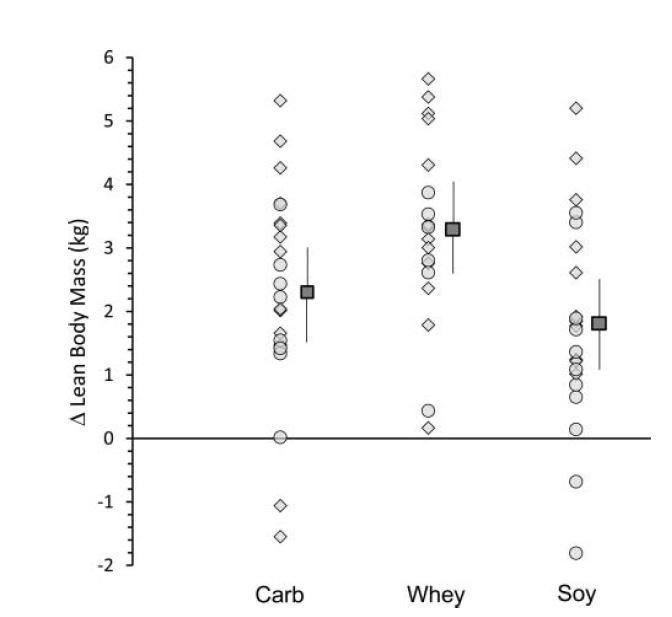
A study was published in the Journal of the American college nutrition titled “Whey Protein Supplementation during Resistance Training Augments Lean Body Mass” took the approach of comparing whey protein supplements with soy protein and carbohydrates and measured their effects on lean body mass. (1)

This research shows that whey protein did not only result in higher lean body mass gain than carbohydrate but also soy protein.

This study was one of the longest studies performed, it lasted for 96 workouts over 9 months. Body composition measurements of the subjects involved were taken at 3, 6, and 9 months. The resistance training was designed to target all muscle parts in the body and comprised of free weights and assisted exercise.

An important aspect of this research was that all the groups received about an equal protein intake through diet and soy protein and the whey group received additional protein intake through supplements.

This is very close to our real-life scenario where most of the time we consume proteins through our daily diet and want to add additional protein through supplements to achieve better results.

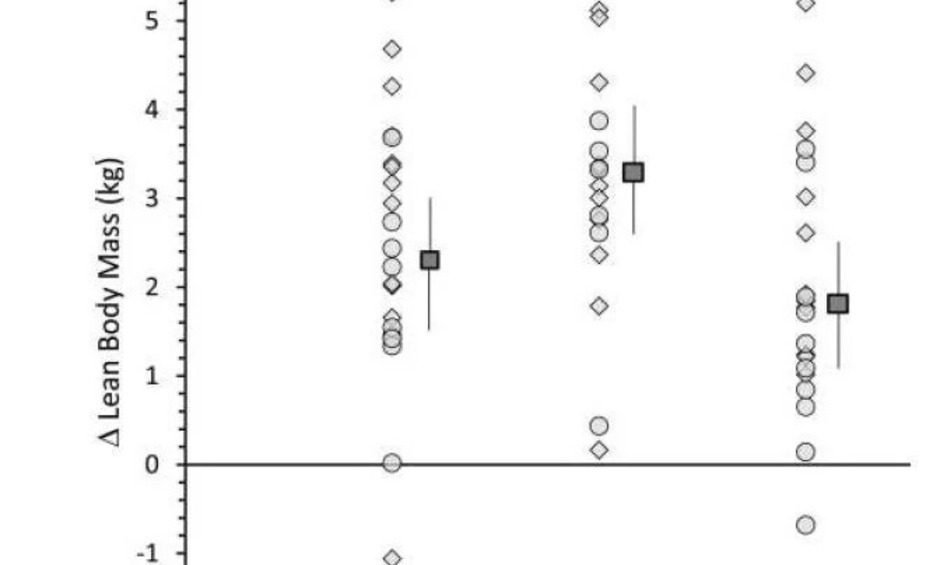
The results after 3 months showed significantly higher lean mass gain in the subjects consuming whey protein as compared to the carbohydrate and soy group.

As you can see the lean body mass increased significantly with the whey supplemented group as compared to the carbohydrate and soy groups.

The subjects consuming whey protein gained 3.1±1.5 kg of lean body mass at three months.

B) 2.3 kg gained in 6 Weeks with whey supplements:

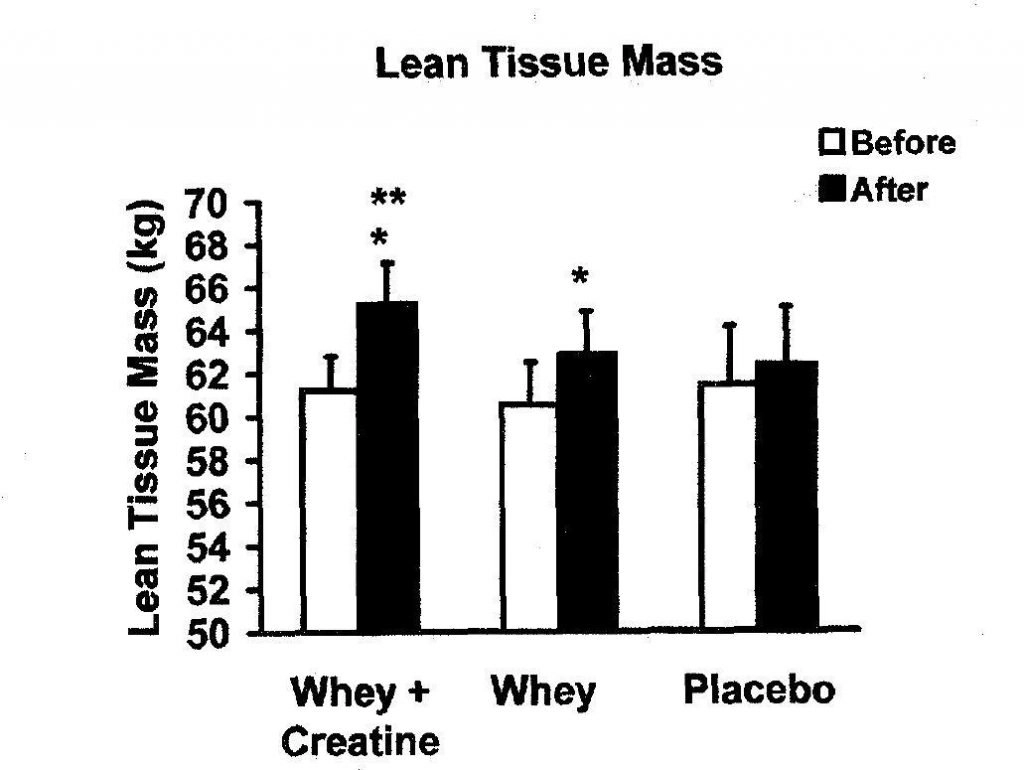
A study published in the International Journal of sports nutrition and Exercise metabolism titled “The effect of whey protein supplementation with and without creatine monohydrate combined with resistance training on lean tissue mass and muscle strength” compared effects of whey protein, whey protein with creatine against placebo (Maltodextrin). (2)

Although the study was focused on the effect of whey protein with creatine as compared to whey protein and carbohydrate, we will focus on the whey protein and carbohydrate part.

What makes this 12-week study interesting is that the group of subjects (36) performed 12 weeks of resistance training for 6 weeks with supplements and 6 weeks without supplements.

The results of lean tissue mass gain were determined at 6 months and the end of the 12th week for all groups.

The subjects were given 1.2 grams/ kg of bodyweight/day of their every respective supplement.

During the resistance training, all muscle groups were targeted and the same exercise continued till the end.

The measurements for lean tissue mass and strength for all the subjects were taken before the beginning of the experiment as the baseline.

All the baseline measurements were the same for all the subjects. There was no difference in the lean tissue mass and strength in between subjects at the beginning.

Both the whey and whey with creatine reported a significant increase in the lean tissue mass from baseline.

The lean tissue mass for the whey group increased by 2.3 kg in 6 weeks with resistance training.

Now comes the interesting part, for the next 6 weeks all the three groups continued resistance exercise without any supplementation. Measurements were taken at the end of the experiment.

A point to note here, that during these six weeks all the groups consumed their required daily intake of protein through diet, meaning groups had their basic protein needs fulfilled.

There was no change found in lean tissue mass at the end of the experiment for any groups in the absence of supplements.

Resistance exercise with whey supplementation for 6 weeks resulted in a significant increase in lean tissue mass while resistance training without any supplements for 6 weeks did not increase lean tissue mass for any group.

Resistance exercise along with supplementation increased lean tissue mass, while resistance training alone did not even when the basic protein needs were fulfilled.

C) 2.5 kg gained in 8 weeks with whey supplements:

In another study published in the journal of strength and conditioning research titled “The effects of Beef, Chicken or Whey Protein after workout on body composition and Muscle performance analyzed effects of various sources of protein against carbohydrate on body mass after resistance training”(3) analyzed effects of different types of protein on lean body mass.

This experiment was included two other protein sources i.e. Beef and Chicken isolate in addition to whey protein.
Both of these protein sources are not available in India and so we will focus on the effects of Whey protein only as compared to carbohydrates.

A total of 41 subjects were selected to undergo 8 weeks of resistance training and assigned a supplement or carbohydrate randomly.

A workout regimen was designed to focus on all muscle parts and the supplements were administered after a workout.
In addition to supplements, all subjects received their daily required protein requirement through their diet.

Subject consumed about 1.6 grams of protein/ day/ kg of body weight through whey protein in addition to the regular diet.

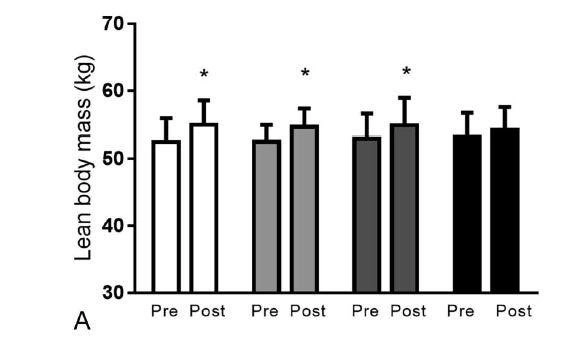
The results show that lean body mass increased significantly when supplemented with additional protein throughout resistance training as compared with the control.

Whey protein supplementation when combined with resistance exercise increased lean body mass by 2.5 kg in 8 weeks.
This research also shows a significant decrease in fat mass with protein supplementation as compared with the control group.

Conclusion

All the research we analyzed here shows that whey protein supplementation resulted in a significant increase in lean mass as compared with control. The gain achieved was 3.1 kg in 3 months, 2.3 kg in 6 weeks, and 2.5 kg in 8 weeks respectively.

A point to note that all subjects in all the three studies including control groups received their required protein intakes through a regular diet and supplements were added on top of that.

As you can see even in the controlled conditions the gains varied for all three research groups. The gains are highly subjective and depend on various factors such as metabolic rate, biological makeup, gender, hormones, gastrointestinal flora, genetic makeup, resistance training, etc. (4)

The results can vary with individuals but consuming high-quality protein supplements can make a difference in achieving a lean mass gain. (5)

We can safely conclude with proper resistance training, diet, and additional protein supplementation with whey protein helped gain a significant amount of lean mass within 6 weeks.

All of us need protein in our diet daily, no matter where it comes from. Although whey protein offers many advantages as compared to other protein sources, consuming whey protein without any exercise, effort and discipline will not give you desired results in terms of bodybuilding

Discover importance of Protein After Workout

After reading this small discussion you will understand the importance of protein after workout or physical activity and role of proteins as a macro-ingredient of our diet.

Many people stress the importance of consuming enough proteins in our daily diet as well as after workout, but many of us tend to ignore the advice or have our preconceived ideas about diet, we don’t pay attention to the available evidence regarding the subject, we harbor misconceptions or believe in myths.

Many try to convince us the goodness of proteins but fail to present a convincing evidence of its importance, it causes more harm than benefit.


Here we have discussed a research performed by notable scientists on the effects & importance of protein after workout, this paper sheds light on effects of nutrient specific diet/supplementation after physical activity, that can help us better understand the role a nutrient plays in our body.

Photo by Andrea Piacquadio from Pexels

This study was performed at the Vanderbilt University Medical Center, Nashville, TN, USA. It shows that it is important to consume proteins post-exercise.

The study was performed on a group of healthy subjects including 5 men and 5 woman. The subjects were studied three time, each time receiving a different nutrient supplement.

1. No supplement (NO)
2. Carbohydrate and lipids (SUPP)
3. Carbohydrate, lipids and protein (SUPP+PRO)

For first time the group received no supplements, for the second time group consumed carbohydrates and lipids (fats) and the third time group consumed the same amount of carbohydrates and fats in addition to 10 grams of protein.

This group of subjects was asked to maintain a consistence daily exercise, dietary intake and body weight 2 weeks prior to the test date.

Results:

The researchers studied various parameters among which we will discuss one important parameter.

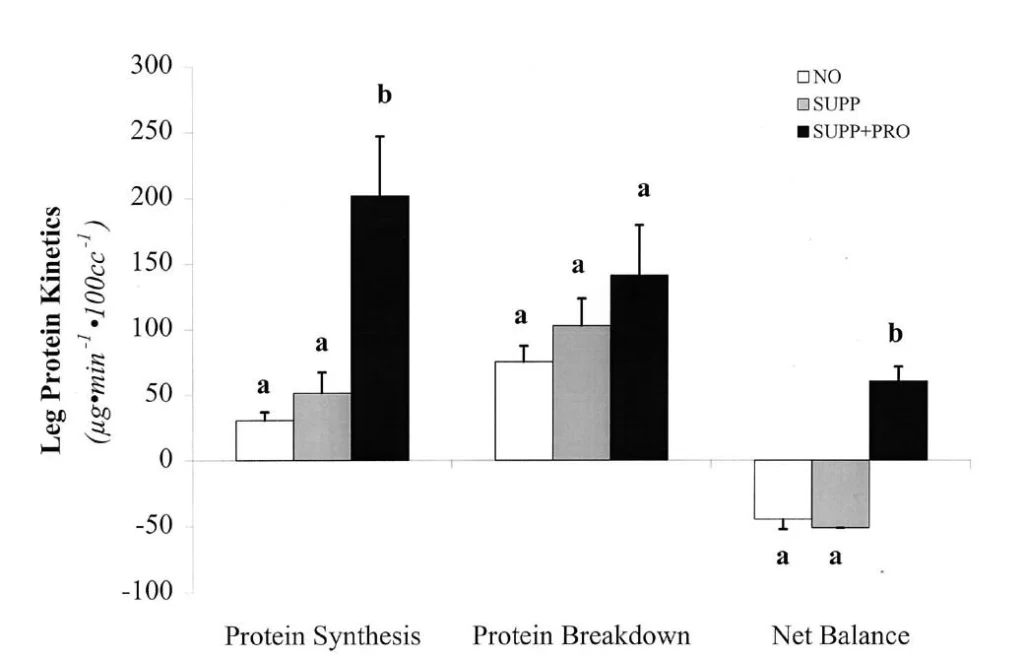
NO: No supplement,                                  SUPP: Carbohydrate+ Fat,                                  SUPP+PRO: Carbohydrates+ Fat+ Protein

Protein synthesis: Process of making proteins
Protein breakdown: Breakdown of proteins into amino acids
Net balance: Protein synthesis- protein breakdown

As we can clearly see here in the third column in above graph, the net balance of the first two (NO and SUPP) is negative, while the SUPP+PRO is positive. Also the protein synthesis increased significantly when supplemented with proteins post-exercise as compared to the other two groups.

Discussion:

In the absence of post exercise protein consumption the net protein balance of the body became negative, meaning body broke down more proteins than it made. The negative net balance results in decrease in muscle mass and muscle wastage, while maintaining positive balance result in growth in skeletal muscle proteins. In addition post exercise consumption of proteins resulted in higher protein synthesis as compared to the other two groups.

It also shows that a nutrient specific diet is necessary after workout, just having plain diet or food that is not rich in required nutrient for the case is of no help.

So, if you don’t consume enough proteins after your workout the protein nitrogen balance shifts to negative which results in muscle loss. To conclude, add consume enough protein after workout to avoid muscle breakdown and improve muscle gain.

Cruical role of Proteins in COVID-19 Recovery

This COVID-19 pandemic has affected our lives like never before. Many of my relatives, family members, and friends were infected with the Coronavirus and most of them have recovered. As a health professional, I spoke with them regarding the recovery process, and I noticed that most of them have been asked by their physician to increase protein intake in their daily diet.

I wondered about it and decided to find out what is the role of proteins in COVID-19 recovery.

Proteins in patients recovering from a health condition play an important role. It can help build immunity, maintain muscle mass, maintain positive nitrogen balance, avoid malnutrition, and improve general nutrition in COVID-19 Patients (1) (2).

Protein is an important macro-ingredient that we need daily. It plays several important roles in our body such as producing hormones, antibodies, enzymes, building muscles, providing structural support, cell growth, and helps transport important chemicals within the body and cells.

Did you know hemoglobin is a protein in our red blood cells, and it carries oxygen to our tissues and organs, and transport carbon dioxide from them back to our lungs?

In this article we will take a look at the significant role proteins play in patients recovering from Coronavirus infection.

Things to consider for a patient recovering from COVID-19

Millions of people have been infected with the novel coronavirus so far and a majority of them have recovered. A significant portion of patients needs to be admitted to the hospital for treatment. A prolonged hospital stay or admission in ICU affects the nutritional status of patients due to the factors below.

• Decreased physical activity

A prolonged stay at a hospital or being bedridden for days decreases the physical activity of the patient to a greater extent. A decrease in physical activity can slow down our muscle protein synthesis and decreases muscle strength and endurance.

Reduced physical activity also leads to decreases in the cross-sectional area of muscles in other words muscles become smaller, increase fatigue and, decrease in the muscles capability to use oxygen which can deteriorate muscle health (3).

• Malnutrition

An extended stay at the hospital can be difficult for many patients, the constant smell of medicines, various noises, the distinct smell of spirit, consumption of medication can result in decreased food intake. Also, several diets or food restrictions can further worsen the condition. It’s rarely possible for a patient to consume a good meal at a hospital.

Providing proper nutrition to the patient can be a huge task itself.

• Decreased muscle mass

Reduced physical activity and poor nutrition can result in a decrease in muscle mass or atrophy. Due to insufficient proteins in the diet, the net nitrogen balance of the body can turn negative leading to loss of muscle mass or muscle wastage (4).
Loss of muscle mass can lead to general weakness, increased fatigue, loss of muscle strength, and difficulty in balancing the body.

• Protein metabolic disorder

The imbalance between energy consumption and energy expenditure leads to metabolic disorders. Protein metabolic disorder can result in decreased protein synthesis and an increase in muscle catabolism. The increased muscle catabolism leads to muscle loss and negative nitrogen balance (5).

• Decreased food intake due to nausea and vomiting

Several medications can cause nausea and vomiting in recovering patients. Due to this many patients show unwillingness to consume the proper amount of food. The decreased nutritional intake can result in malnutrition and several nutritional deficiencies if not properly taken care of.

Role of proteins in COVID-19 Recovery

Special nutritional care must be taken with regards to a patient recovering from a coronavirus infection. Protein intake for a patient recovering from COVID-19 needs to be increased. Proteins can help improve the general nutritional status of the patients. European society for clinical nutrition and metabolism has recommended 1.3 grams of protein/ kg body weight/ day.

• Proteins help increase immunity

Immunity is known as our body’s capability to fight foreign substances, toxins, and viruses. Our immune system is a huge network of cells and tissues that work together to fight against external viruses or toxins.

When a foreign substance or antigen enters into the body, our body releases antibodies to fight against it, without these antibodies or immunoglobulins body can’t fight against the attack of antigens. These immunoglobulins block the action of viruses or toxins (6).

Milk proteins contain various fractions or bioactive components that help improve our immunity. Especially fractions found in milk proteins can offer immunity against various infections and viruses.

Three fractions found in milk proteins α-Lactoalbumin, β-Lactoglobulin, and Lactoferrin are known to boost immunity by increasing the production of an antioxidant known as Glutathione (6). These three fractions are known to modify immunity.

Besides these fractions protein also contain antibodies or immunoglobulins, the major portion of them being IgG. The IgG constitutes about 75% portion of the antibodies in an adult. Milk contains about 0.15-0.8 grams/ liter of these IgG antibodies (6). Proteins play an important role in the formation of these antibodies in the body.

Indian diet is mostly comprised of cereals and beans, both of which are a poor source of proteins, according to a recent report about 73% of the Indian population is protein deficient. So special care must be exercised while choosing food products to provide specific nutrients. Consuming high protein food during these challenging times can help to boost and improve immunity.

• Proteins maintain a positive nitrogen balance in the body

When consumed in adequate amount proteins maintains a positive nitrogen balance of the body. Positive nitrogen balance refers to consuming a higher amount of protein than excreted or broken down. When an adequate amount of proteins are not consumed our body breaks down existing proteins present in the body, this protein breakdown results in muscle catabolism and loss of muscle mass (7).

Negative nitrogen balance can result from poor diet, low amount of proteins in the diet, and malnutrition. Increasing the amount of proteins can restore the nitrogen balance.

• Increase and maintain muscle mass

Proteins besides playing different important roles in the body are vital to maintain and increase muscle mass. Proteins are a potent stimulator of muscle protein synthesis. Amino acids which are obtained from the breakdown of proteins are involved in the strengthening and growth of muscles (7).

Research shows that the essential amino acids are primarily responsible for stimulating muscle protein synthesis, our body cannot synthesize these essential amino acids hence should be obtained from diet or external sources.

• Helps increase calorie intake

Consuming adequate calories daily is required to support various bodily processes. Due to increased energy expenditure, the caloric requirements of patients are considerably higher than a healthy adult.

Proteins can help increase calorie intake which is required to provide energy. Proteins although expensive, but are a better source of calories than simple carbohydrates or fats.

During hospitalization or recovery, it may not be always possible to consume enough food to fulfill caloric requirements.

Protein-rich food or a simple protein shake can act as a source of calories. Oral nutrition supplements can provide an energy-dense source of calories and nutrients as an alternative to regular meals.

Recommendations

• Proteins and oral nutritional supplements

The European Society for clinical nutrition and metabolism recommends consuming 1.3 grams of protein/ kg of body weight/ day during illness.

Our daily protein intake can be easily increased by incorporating protein-rich vegetarian and non-vegetarian sources. As an alternative or in addition to regular meals an oral nutrition supplement that can provide 400 calories and 30 grams of protein is recommended.

A protein supplement such as whey protein is a high quality, highly digestible, and a complete source of amino acids. A protein supplement can help fulfill daily protein requirements conveniently.

Conclusion

Adequate consumption of protein and as per guidelines can help alleviate various post-hospitalization effects, it can also help towards strengthening the immune system. Being aware of the nutritional needs of the patient and selecting a proper food source to fulfill those needs can aid in faster recovery. If nutritional needs can’t be fulfilled with a daily diet then suitable nutritional supplements should be considered to supplement the diet.

3 ways Whey protein can help you lose weight

A high protein diet is one of the most prescribed diets for weight loss. A high protein diet consists of consuming 15% or more of the daily calories through proteins (1). Whey protein supplements can help increase protein intake and play an important role in weight loss.

A high protein diet provides necessary energy, increases satiety, maintains muscle mass, and decreases hunger.

Although various food sources can provide protein. But normal dietary food sources also come with unwanted fats and carbohydrates. Given the higher vegetarian population inclusion of other lean protein sources such as chicken and fish are not possible.

One of the most effective ways to achieve high protein consumption is through protein supplements. Various diet restrictions, busy schedules, and a high vegetarian population make whey protein an indispensable part of a high protein diet.

Studies show that a high protein diet containing whey protein in overweight individuals maintained lean mass and decreased body fat (2) (3).
Whey protein is made from milk, it contains all the essential and non-essential amino acids. It also has a very low amount of carbohydrates and lactose (4).

Whey protein is a very convenient source of proteins. It is accessible whether you are at work, traveling, or back from your workout session. A scoop of whey protein can provide up to 30 grams of proteins in a single go, within minutes.

Whey protein provides a feeling of being full and prolongs hunger. This is a direct way whey protein shake can help you avoid eating much.

But there are several other indirect ways through which whey protein can help weight loss. For better results, a high protein diet must be coupled with a good diet and exercise regimen.

 3 Indirect ways Whey protein can help lose weight:

  1. Suppressing appetite:

    Our body has a way of maintaining everything, and it works amazingly well. When we haven’t eaten for a longer time, our body stimulates the release of hunger hormones. These hunger hormones increase appetite and make us consume food, and increase energy intake.

    When our tummy is full, our body then releases hormones that reduce hunger and makes us feel full.

    Different pathways regulate these hormones. Consumption of different nutrients can also affect the level of these hormones.

    Protein is one of such nutrients. Protein decreases the hunger hormones Ghrelin and stimulates appetite-suppressing hormones. This leads to a feeling of satiety and decreased hunger.

    Studies show that a high protein breakfast produced satiety and decreased the hunger hormone than a carbohydrate-rich breakfast (5)

    Another study conducted on overweight men shows that a high protein diet promoted the feeling of fullness throughout the day and also decreased late-night food cravings(6). 

    Protein provides a feeling of fullness by suppressing the hunger hormones. A protein shake through its virtue of bulk and decreasing gastric emptying time extends the feeling further.

  2. Increasing metabolic rate:

    The metabolic rate of the body is defined as the energy required by the body to carry out normal day-to-day functions. These functions involve blood circulation, breathing, digestion, thinking, and all.

    People who need lower energy to carry out body functions have a slower metabolic rate. The body burns less fuel to perform its regular functions. People with a slower metabolic rate tend to gain weight easily.

    While people with a higher metabolic rate don’t gain weight easily since their body burns more calories for regular functions. Elevating metabolic rate can help burn fat and lose weight faster (7).

    Protein can elevate metabolic rate due to its higher thermic effect. Thermic effects of food mean it requires more energy to digest, absorb, transport, and store food (8).

    Protein requires more energy for digestion, absorption, transport, and metabolism than carbohydrates and fats. Proteins require about 15-30% of their total calorie energy for the above functions. Fats have the lowest thermic effect of all requiring about 0-3% energy.

    Consuming a higher amount of proteins makes our body burn more calories to digest and absorb the food.

    Studies also show that proteins prevent a decrease in energy expenditure even one is not active. Thus maintaining a higher metabolism rate even at resting periods (9).
    When coupled with exercise proteins increases metabolic rate leading to a higher loss of calories.

  3. Increasing protein synthesis:

    Dietary proteins stimulate muscle protein synthesis. Although up to a certain extent. But when coupled with exercise the stimulation effect is higher. Leucine, which is present in higher concentrations in whey protein is one of the stimulators for muscle protein synthesis (10).

    Muscle protein synthesis is an energy-consuming process requiring an expenditure of a considerable amount of energy.

    About 4 ATPs are required to add one amino acid.

    It is now estimated that the total energy expenditure for protein synthesis, breakdown, and regulation is much higher than previously estimated (11).

    Increased muscle protein synthesis can not only burn more fat and consume energy, but it also helps preserve muscle mass.

    Various studies also show that a high protein diet in overweight individuals increased fat loss and maintained muscle mass.

    A randomized clinical trial conducted in the overweight subjects shows those with a high protein diet lost significantly higher weight and decreased abdominal fat than the subjects with a normal protein diet. The high protein group lost about 7 kg weight and decreased abdominal fat by 13% (12).

Whey protein for women

It is completely fine for women to consume whey protein. Whey protein is suitable for all ages from kids to the elderly, men and women. Also, there is no such thing as whey protein for women. The usual whey protein works the same in men and women for all purposes except bodybuilding.

Although some manufacturers do market their product as for women. They make it appealing with some exotic flavors, added ingredients, different label colors, the shape of the container, and marketing. But the key ingredient remains the same.

Our body treats protein from whey the same way as protein from different food sources (13). Women can consume the usual whey protein without any hesitation.

Side effects of whey protein

There are no side effects of consuming whey protein that one needs to be concerned about. Although it may cause bloating and gas in people with lactose intolerance. The effect of lactose intolerance can be reduced using supplements such as whey isolate or with the consumption of digestive enzymes.

It may also cause acne in some people, however, the occurrence of acne may decrease over time (14).

Whey protein does not cause any harm to the kidney or liver in healthy individuals. Although people with existing kidney or liver conditions should consult their physician before consuming any protein supplements.

Conclusion

A high protein diet can help decrease weight and burn more fat by increasing fullness. It also helps weight loss indirectly by increasing the rate of metabolism, protein synthesis, and moderating hormone associated with hunger and satiety.

Whey protein can help maintain a high protein diet conveniently. Also, Whey protein offers various advantages such as low carbohydrates, fats, higher Leucine content, and full amino acid profile.

Whey Protein Isolate has the lowest amount of carbohydrates, fats. It contains all the essential and non-essential amino acids and provides a high amount of proteins in a relatively smaller serving size. Thus Whey Protein Isolate makes an ideal choice as a protein supplement for a weight loss diet.

Does whey protein affect kidneys? [Diagnosed]

There are many doubts about whey proteins, one of which is “Does Whey protein affect kidneys”? You may have heard it somewhere, or even read about it in some article.
But let me tell you, whey protein does not damage or affect kidneys in healthy people.

Consuming whey protein is one of the effective and efficient ways to fulfill daily protein requirements. Whey protein has been on the market for the last couple of decade. It is one of the oldest and most researched bodybuilding supplements. Whey has been a subject of thorough research and analysis.

Whey protein help stimulates muscle protein synthesis, maintain and gain muscle mass. It also maintains a positive nitrogen balance in the body besides playing important roles in the body.

Various nutrition supplements use whey protein as the source of proteins. It is present in right from baby formulas to supplements for the elderly.

Whey protein is one of the safest, well-studied, and a high-quality protein supplements. It is deemed as safe and approved as a food ingredient by both USFDA and FSSAI.

In this article, let’s take a look at the origin of this misconception “Whey Protein damages kidney” and discuss the reason behind this argument. Besides, take a look at some research to see if whey protein or any protein consumed in excess or in required quantity damages kidneys.

  Content

  • The origin of doubt “does Whey Protein affect Kidneys”
  • A high protein diet for 1 year does not have any adverse effect on kidney
  • The effect of high protein intake in overweight patients did not have any detrimental effects on the kidney.
  • A high protein diet in overweight subjects for 6 months did not affect the kidney.
  • Conclusion

The origin of doubt “does Whey Protein affect kidneys” 

This original assumption was “Prolonged consumption of high protein diet damages kidney”. Which has morphed into “Consumption of whey protein damages kidney”.In 1983 Dr. Barry Brenner proposed a hypothesis in a nephology forum (1). It hypothesized that prolonged consumption of dietary proteins can cause damage to the kidneys. Here he did not make any mention to proteins obtained from supplements or whey.

A higher intake of protein causes an increase in the metabolites. This leads to a higher glomerular filtration rate and glomerular pressure to excrete the metabolites (2).

GFR rate: “Glomerular filtration rate (GFR) is a test used to check how well the kidneys are working. Specifically, it estimates how much blood passes through the glomeruli each minute. Glomeruli are the tiny filters in the kidneys that filter waste from the blood” (3).

Dr. Brenner hypothesized a higher glomerular filtration for a prolonged period can cause renal injury. Which can compromise renal function leading to progression of renal disease (1).

But the majority of the evidence in this paper was based on animal models and subjects with existing kidney conditions. The extent of response to GFR varies significantly depending on species. Hence it is not appropriate to apply the same data to healthy subjects with no kidney condition.

An increase in glomerular filtration is the normal adaptive mechanism of the body in response to various conditions (4). This adaptive mechanism of increasing GFR does not contribute to kidney disease in healthy patients (5). Evidence suggests with increased dietary intake of proteins renal systems undergoes various changes. But these changes do not show any detrimental effects on the renal system.

The GFR in healthy women increases as much as 65% during pregnancy which returns to normal post-pregnancy (6). One may assume that frequent and prolonged increases in GFR may cause renal injury, but that is also not the case. The frequent GFR increase in the case of multiple pregnancies did not cause any adverse effect on kidneys (7).

Another group postulated that protein consumption increases urea production. Since kidneys are responsible for the excretion of urea, this increased workload can stress the kidney.

Our kidneys can excrete up to 25 grams of urea per day. 60 grams of protein produces about 2.5 grams of urea, which is only about 1/10th of the maximal capacity of our kidneys. Hence it does not seem likely that consumption of protein will stress the kidney due to increased urea production.

There is no evidence to suggest that increased GFR or increased urea production due to protein consumption can cause any damage to the kidneys. Also as noted above increase in GFR is the normal adaptive mechanism of the body and does not indicate any adverse effect on kidneys.

To further clarify this let’s take a look at a couple of researches to see if increased protein intake has any adverse effect on the kidneys.

  1. A high protein diet for 1 year does not have any adverse effect on the kidney– “Whey supplements do not cause any harm to the kidney”.

    In a study performed by Jose Antonio titled “A High Protein Diet Has No Harmful Effects: A One-Year Crossover Study in Resistance-Trained Males” (8). Dr. Jose Antonio found no adverse effect of prolonged consumption of protein on kidneys.

    This research carries a special significance since this is one of the longest studies performed. In this study subjects consumed about 3 grams of protein/ kg of body weight/ day. Also, the study was performed on subjects who had experience in resistance training. During the study, all subjects underwent resistance exercises.

    This study relates to most of the bodybuilders and fitness enthusiasts who are consuming protein supplements as a part of their diet.

    14 healthy subjects underwent the study. The subjects consumed their normal diet for 6 months and high protein diet for 6 months. For both diets subjects consumed 2.51 and 3.32 grams of protein /kg of body weight/ day respectively.

    Subjects used whey protein to fulfill the higher protein requirements.

    Even the normal diet of the subjects contained three times more protein than the normal requirements.

    Various tests were performed to indicate blood lipid levels, liver and kidney functions at the end of the study

  1. # indicates >60 mL/min/1.73m3

    The table above shows the values of various kidney function tests (BUN mg/dL, Creatinine mg/dL, eGFR, and BUN/ Creatinine ratio) after one year of the study.

    The results show all the values to be normal and within the reference range. Even if the values seem to be at the higher end, we have to consider the baseline values which are also towards the higher end.

    The values did for the kidney function test did not change much from baseline for both normal and high protein diet.

    The test measurements indicated no harmful effects of higher protein consumption on kidney, liver, and blood lipid levels. It shows that high protein diet for 1 year did not have any adverse impact on the kidneys.

  2. The effect of high protein intake in overweight patients did not have any detrimental effects on the kidney. – “Dietary proteins have the same effect on the body as protein supplements”.

    In this study let’s take a look at what happens when we increase our protein intake via dietary protein. Does it differ from the effects produced by protein supplements? Also, the study was performed on obese individuals. Obese individuals already have a higher GFR rate, and we know higher protein intake increases GFR rate further. Will that have any detrimental effect on kidneys?The Clinical Journal of the American Society of Nephrology published a study titled “Comparative Effects of Low-Carbohydrate High-Protein Versus Low-Fat Diets on the kidney” (9).

    This study was performed on overweight subjects to determine the effects of low carb, high protein weight loss diet on the kidney.

    Although it was a weight loss diet, it included consumption of a higher amount of proteins for 2 years. The age of subjects was much diverse, 18-64, and the study had 307 adults as subjects. So the results carry do a great significance to normal adults.

    In this study, 154 participants were assigned to the low carb- high protein diet, while the rest half was assigned to the low-fat diet.

    The low carb diet had restrictions on carbohydrate consumption and no restriction on fat and protein. The participants could eat as many fats and protein as they want.

    The low-fat diet was designed in such a way that only 15% of the total calories came from protein.

    Various measurements to indicate kidney function were taken at the baseline, 3, 12, and 24 months.

    Given overweight patients already have higher GFR, the author expected that the diet-induced increase in GFR may have some detrimental effect on the kidney.

    The damage to the kidneys is indicated by decrease in the GFR. But the authors did not find any decrease in the GFR at the end of the study indicating normal kidney and renal function.

    At the end of the 24 months, the authors did not see any harmful effects on the kidney. The authors concluded that the high protein diet is not associated with any noticeable harmful effects on renal function.

    This study shows the dietary protein has similar effects on the body as the protein obtained from supplements. Research shows that high protein diet also increases GFR as intravenous infusion of amino acids do (10).

    So there is no reason to assume consuming whey protein supplements can damage kidneys. The body treats protein from both sources the same way.

  3. A high protein diet in overweight subjects for 6 months did not affect the kidney. – “Body undergoes adaptive changes according to the diet”.

    A study “Changes in renal function during weight loss induced by high vs low-protein low-fat diets in overweight subjects” (11) was conducted over 6 months. The authors did not find adverse effects of a high protein diet on the kidney.

    This study was like the previous study we looked at, but this study has some interesting aspects. This study included both a low protein and a control group in addition to the high protein group. So it is possible to compare the effect of different diets on our body and if the effect is harmful.

    The study included 56 subjects aged from 18-56 and divided into low, high protein, and a control group.

    Again the protein consumption was determined as the percentage of daily calories instead of the gram/ kg of body weight/ day measure.

    Various measurements were taken to indicate kidney function before and after the study. None of the measurements indicated any adverse effects on renal function.

    The important observation of this study is that the body undergoes adaptive changes according to the dietary input. For example, in the low protein group the size of the kidney decreased as well the GFR rate. In the high protein group, the size of the kidney increased as well the GFR rate.

    This observation shows that body undergoes adaptive changes in renal size to accommodate the increase or decrease in the GFR. The GFR changed to accommodate the diet.

    The changes were normal and did not show any adverse effect on renal function.

    The capacity to increase GFR in response to protein feeding, known as kidney functional reserve, is a normal adaptive function of the kidney to increase solute clearance in response to an increase in solute load (i.e., nitrogen load). Importantly, this adaptive response does not represent a risk factor for the development of Chronic Kidney Disease12).

    Of course, there are plenty of articles and research out there that show the same evidence. I picked these three studies because these three also do a good job of addressing the main concerns.

Conclusion:

  • The hypothesis “consumption of protein for prolonged duration damages kidney” is based on animal models, and subjects with an existing kidney condition. It is not appropriate to apply the same data to the subjects with normal kidney function.
  • The increase in GFR is a normal adaptive mechanism of the body and the GFR also increases in response to various conditions such as pregnancy. The increase in GFR is an adaptive response of the body and does not cause any damage to the kidney.
  • Prolonged consumption of protein supplements does not cause any damage to the kidney in resistance-trained individuals even if consumed in excess.
  • The changes observed in renal function are the same for both dietary proteins and proteins obtained from supplements.
  • There is no reason to assume that whey protein or protein supplement causes any harm to renal function in healthy individuals.
  • Consumption of dietary protein, excess protein, or whey protein supplements does not have any adverse effect on the kidneys in healthy people.

9 Whey Protein Health Benefits

Whey Protein is one of the most widely used nutrition supplements today. Whey protein is extensively researched and studied for its various health benefits.

Whey Protein is a type of protein obtained from milk. During cheese manufacturing liquid whey is separated. The liquid whey is then further filtered and dried to get whey protein.

Whey protein contains all the essential and non-essential amino acids. It also contains several micro-nutrients with different concentrations (1).

Since it is a product of milk, it carries all the goodness of milk with itself. It contains fractions that show several activities for treating various health conditions.

Various health benefits of whey are under study and most of the benefits are due to the protein fractions present in whey. These fractions are α-Lactalbumin, β-Lactoglobulin, Glycomacropeptide, Serum albumin, Immunoglobulin, and Lactoferrin (1).

1. Whey is a rich source of protein

Whey protein contains anywhere from 35-90% protein by weight in its raw form. Most of the sports nutrition supplements are made from whey containing 80% protein.

Whey Protein Isolate contains about 90% of the protein in its raw form.

Whey protein has a very low amount of carbohydrates and fats. Whey protein contains a full spectrum of amino acids that stimulates muscle protein synthesis.

Whey is more effective and efficient than other sources of protein due to its higher purity.

Since it contains proteins with high purity, the user does not have to worry about the extra fats.

Whey protein is a convenient source of protein, being able to fulfill about 40% of the daily protein needs in a single scoop.

Whey protein is a highly digestible, bio-available, and high-quality source of proteins.

2. Role in muscle growth and maintenance of muscle mass

Proteins play an essential role in muscle growth. Proteins are also known as building blocks of muscles (2).

Muscle fibers when subjected to stress such as physical activity or exercise form micro-tears. In other words, muscle fibers get damaged when exposed to stress.

Protein helps repair these micro-tears and grow muscle. During this repair muscle fibers become larger increasing their cross-sectional area. This results in an increase in the size of individual fibers (2).

Proteins are essential for the repair and growth of muscle fibers.

Whey Proteins contain amino acids required to initiate and stimulate muscle protein synthesis.

Whey protein contains a high amount of Leucine. Leucine is one of the key stimulators of muscle protein synthesis.

Proteins not only stimulate muscle protein synthesis but keep it elevated with the release of amino acids.

Proteins also help maintain a positive nitrogen balance of the body and help avoid muscle breakdown (3).

Having a negative nitrogen balance leads to muscle wastage and loss of muscle mass (4). Consuming enough proteins prevents muscle breakdown.

3. Helps burn fat and lose weight

Whey protein may help burn fat and lose weight. Whey protein does that in several indirect ways.

Whey protein is a thermic food. It requires more calories than carbohydrates and fats for its absorption, metabolism, storage, and transport. Whey protein requires about 30% of its calories to get processed in the body. This results in increased calorie consumption of the body (5).

Whey protein suppresses hunger hormones and increases appetite-suppressing hormones in the body. This results in a feeling of being full for a longer time. The feeling of fullness avoids hunger and increases satiety.

Studies also show that whey protein consumption also decreased late-night food cravings (6).

Whey protein stimulates muscle protein synthesis. The process also consumes a significant amount of calories in the process (7).

Whey protein increases calorie consumption of the body and decreases hunger. The net effect can help lose weight and burn fat.

4. Anti-oxidant Property

Glutathione is an anti-oxidant made from amino acids cysteine, Glycine, and Glutamic acid in the body. It is chiefly made in the liver and is a part of various processes in the body.

Glutathione (GSH) protects the body from oxidative stress by neutralizing free radicals. Increased oxidative stress can lead to various conditions such as diabetes, arthritis, and cancer.

Increased oxidative stress in the body leads to a decrease in the levels of GSH. Our body also makes glutathione but during its deficiency, whey protein can help. Whey protein is rich in Cysteine and Glycine and can help replenish Glutathione and correct its deficiency (1).

Whey also contains a high amount of sulfur-containing amino acids. These amino acids potentially increase the antioxidant capacity of the body (8).

Whey also raises levels of antioxidant enzymes and reduces oxidative stress markers (8).

Whey protein can help fight oxidative stress and increase the antioxidant capacity of the body.

5. Reduce Hunger and increase the feeling of satiety

When we are running low on the food our body releases a hunger hormone known as Ghrelin. This hunger hormone causes us to feel hungry and make us consume food and calories.

When we are full-body release appetite-reducing hormones. These appetite-reducing hormones produce a feeling of satiety. The release of these hormones can be modulated by different nutrients (9).

Proteins suppress the release of hunger hormones and also stimulates the appetite decreasing hormones.

Whey protein also produces a feeling of being full for a longer time and increases the feeling of satiety (9).

Whey protein when consumed with breakfast decreased hunger hormone and increased feeling of satiety than a carbohydrate-rich breakfast (10).
Whey protein can help during weight loss by keeping the hunger levels low and increasing the feeling of fullness.

6. Increases rate of metabolism

The basal metabolic rate of the body is the amount of energy required by the body to carry out normal day-to-day functions. These functions include breathing, thinking, digesting food, transporting nutrients and chemicals, etc.

Protein being a high thermic food requires more energy for its digestion, metabolism, and transport in the body (11).

Consumption of a high protein diet can result in an expenditure of a high amount of energy and calories. This higher expenditure results in an elevation of the metabolism rate.

Studies also show that proteins prevent a decrease in energy expenditure even during non-active periods (12).

Higher energy expenditure for routine activities results in more calories burned and less stored.

7. In HIV treatment

HIV patients show decreased levels of GSH. Whey protein with its high amount of cysteine and Glycine helps increase glutathione in the body.

Whey protein can be used as an effective supplement to increase levels of glutathione during HIV treatment (1) (8).

Whey protein also shows inhibitory activity against HIV-1 enzymes possibly shortening the life cycle of the virus (8).

8. Help strengthen the immune system

Immunity is our body’s capability to fight against infection, foreign substances, toxins, and viruses (13).

Various fractions and bioactive components present in milk protein can help modulate the immune system of the body.

Fractions found in milk protein offer immunity against various infections and viruses.

The three immune-modulating fractions found in milk proteins are α-Lactalbumin, β-Lactoglobulin and Lactoferrin. These fractions boost immunity by increasing the production of Glutathione (1).

Antibodies present in the body help us defend against infections and viruses. The IgG antibodies constitute about 75% of the antibodies present in the body. Each liter of milk contains about 0.15 to 0.8 grams of IgG (13).

Milk proteins such as whey protein also contain immunoglobulins or antibodies. Whey proteins contain about 5-6% immunoglobulins of the total weight (1).

Whey protein and its macro-fractions play an important role in the formation of these antibodies in the body.

9. Anti-microbial and Anti-viral Activity

Various peptide fractions of milk proteins show anti-microbial and anti-viral properties.

Peptides such as immunoglobulins and lactoferrin show anti-microbial activity (8) (14).

Whey protein also produces peptides with anti-microbial properties during its transit through the gastrointestinal tract.

Whey protein fractions known as Lactoferrin and Lactoferricin are effective against the growth of gram-positive and gram-negative bacteria, yeast, fungi, and parasites (8).

They also show effectiveness against food-borne pathogens.

The Lactoferrin shows anti-viral activity against viruses such as HIV and Hepatitis. It is also known to control gut micro-organisms helping prevent gastric disorders (8) (14).

Conclusion

Whey protein is very well known as a bodybuilding supplement. Increasing awareness about proteins has seen its acceptance as a daily nutritional supplement. Besides muscle growth and being a rich protein source, whey proteins offer various health benefits due to their bioactive micro-fractions.

Whey protein supplementation along with a good diet can lead to better health and general well-being.

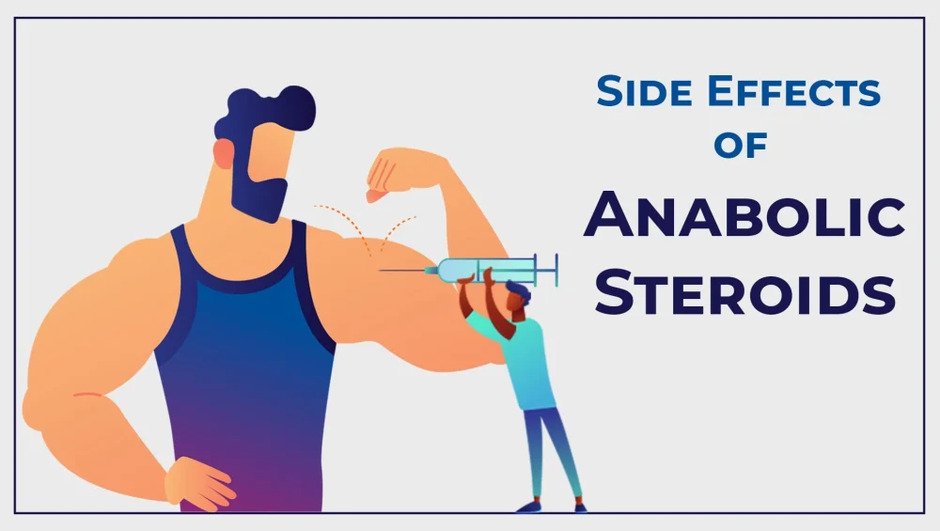
Side Effects of Anabolic Steroids

As we all know, to make a significant change in your physique and muscles it takes a lot of efforts in terms of nutrition and exercise. But for few anabolic steroids offer shortcut. They help gain muscles in short term but such unregulated and illegal use of anabolic steroids can lead to serious side effects.

1. What are Anabolic Steroids?

Anabolic steroids are group of hormones that involve testosterone as well as synthetic derivatives of testosterone (1). Testosterone is a male sex hormone secreted by testicles. It plays a significant role in the development of secondary male sexual characteristics and normal growth.

Since testosterone is quickly metabolized in the body. So, various synthetic derivatives of testosterone with a longer half-life are used to mimic its effects.

Some of the popular Anabolic Steroids are Nandrolone, Oxandrolone, Oxymetholone, and Stanozolol, etc.

Anabolic steroids are commonly known as Androgenic Anabolic Steroids (AAS). Androgenic means involved in development of sexual characteristics and anabolic means involved in tissue growth (2).

Since the separation of both of the properties of steroids hasn’t been possible so far, they are known as Androgenic anabolic steroids. Thus when consumed steroids affect both sexual characteristics and tissue growth (2)

After administration into the body anabolic steroids bind to specific receptors, become active and exert their function.

Steroids under medical supervision are used to treat various conditions such as anemia, breast cancer, malnutrition, HIV, Inflammation and testosterone deficiency.

Anabolic steroids are also abused by people to gain muscles, strength, and stamina. To achieve these effects dosage 10 to 100 times of normal are taken which leads to serious side effects (3).

There are also cases where steroids are fed to livestock to increase muscle mass and to racehorses to increase stamina and strength.


2. Legal Status of Steroids

Steroids are legal to use when taken under medical supervision and prescribed by a medical practitioner to treat a medical conditions.

Steroid use is illegal when administered or purchased without a prescription.

The use of anabolic steroids to improve physical performance, gain muscles, stamina is banned in many countries.

The national anti-doping agency in India has banned the use of such substances and can lead to disqualification of the athlete from competition and ban from participating in any future competition (4) (5).

But, nowadays even fitness enthusiasts or gym-goers who are not participating in any competition are also abusing these steroids. The illegal use of steroids has now gripped the younger and unaware generation too.

People who seek social validation, likes on social media, want to have a better physique are falling easily for these shortcuts.

In many cases, people who are consuming these steroids are not even aware of their actual nature and their side effects.

3. Types of Anabolic Steroids

Anabolic steroids are majorly available in the form of injections, oral or creams. I will refrain from citing examples of these steroids.

4. How do Anabolic Steroids work?

The simple mechanism of action of Anabolic steroid is as follows-

Anabolic steroids work by increasing muscle protein synthesis, inhibiting protein breakdown, and increasing lean muscle mass and, body mass. Steroids increase the release of growth hormones, increase performance and recovery by decreasing protein breakdown (1) (6). They act as a natural male hormone but are taken at almost 100 times more concentration. This huge concentration possibly speeds up the normal muscle-building process.

At the cellular level it works as follows-

Anabolic steroids are carried to the cytoplasm of the target tissue and bind to the androgenic receptor. The androgenic receptor then carries it to the cell nucleus. In the nucleus, steroid binds to a specific sequence of chromosomal DNA. Upon which it stimulates mRNA to synthesize genes that increase protein synthesis (6).

Anabolic steroids also increase the uptake of amino acids from the blood, stimulate the formation of new muscle fibers resulting in increased muscle mass and strength (1) (17).

Anabolic steroids also interfere with glucocorticoid receptors thus inhibiting protein breakdown (7).

Illegal administration of anabolic steroids is similar to making illegal modifications to a car. It may increase the performance of a single aspect, but damages the overall vehicle and the experience.


The above modification surely increased the length of the vehicle but at the same time affected handling, stability, mileage, and safety.

5. Side effects of Anabolic steroids

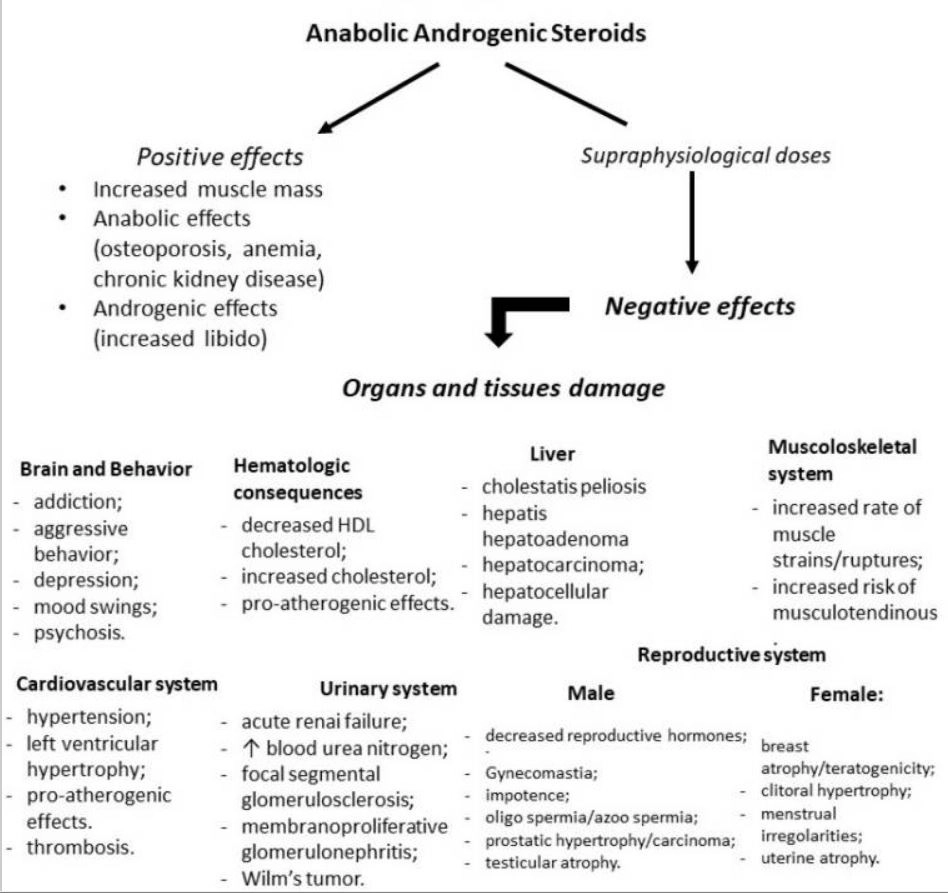
A picture is worth a thousand words (1), I am sure after looking at the long list of side effects of anabolic steroids you will want to stay away from them.

*supraphysiological dosage: dosage higher than normal.

Although the diagram suggests positive effects of anabolic steroids at normal dosage, we must keep in mind that steroids are administered at higher dosage by abusers.

As the picture states anabolic steroids have very few positive effects but a long list of side effects of anabolic steroids on both males and females, their various systems, and organs.

The common and self-reported side effects of anabolic steroids include an increase in the sex drive, acne, increased body hair, aggressive behavior (6).

While the other common side effects included fluid retention, increased blood pressure, lack of sleep, increased irritability, increased appetite, a state of feeling of well-being, depression, loss of head hair, and gynecomastia.

These side effects are reported by male subjects participating in AAS abuse studies.

Other side effects include (8) (9)

Mental side effects:

  1. Jealousy
  2. Irritability
  3. Delusion
  4. Impaired judgment
  5. Mania

Long term side effects:

  1. Kidney failure
  2. Liver damage
  3. Risk of heart failure
  4. Increased risk of blood clots

Side effects in Men:

  1. Shrinking of testicles
  2. Decreased sperm count
  3. Loss of head hair
  4. Gynecomastia (development of breasts)
  5. Prostate cancer

Side effects in women:

  1. Growth of facial hair
  2. Decreased breast size
  3. Changes in the menstrual cycle
  4. Enlarged clitoris
  5. Deepening of voice

In teens:

  1. Underdeveloped growth
  2. Underdeveloped height
    • Effects of Anabolic Steroids on Reproductive system:

Anabolic hormones being derivatives of the male sex hormone testosterone exert significant action on the reproductive system.

The external administration of anabolic hormones disturbs the body’s feedback mechanism affecting the normal production of testosterone in the body.

Anabolic hormones suppress the hormones testosterone and gonadotropins, hormones that play important role in sexual functions. Suppression of gonadotropins results in the shrinking of testicles and a decrease in semen production and quality (6).

Reports suggest that the administration of a higher dosage of steroids, as seen in athletes can lead to infertility within months.

Studies show that after discontinuation of steroid use it takes about 4-6 months for the reproductive system to restore to normal. Some reports suggest that it may even take more than a year. Although the recovery period can vary depending on the dosage taken and duration of abuse.

Administration of a high amount of steroids leads to conversion of AAS to estrogen. Estrogen is a sex hormone that plays important part in development and maintenance of female characteristics and reproductive system. This conversion from AAS to estrogen in male athletes causes gynecomastia, which is often accompanied by pain (7).

    • Effects of Anabolic Steroids on the heart:

External administration of anabolic steroids in higher doses can cause various defects in the heart (6).

It has been suggested that prolonged use of anabolic steroids can lead to significant changes in heart structure and function. Studies performed in steroid users showed structural changes in various sections of the heart as compared to non-users (6).

Animal studies clearly show that even short-term usage of steroids affects cardiac function and structure.

    • Effects of Anabolic Steroids on the liver:

Sever abuse of Anabolic steroids can lead to liver damage and toxicity. This liver toxicity is caused by AAS induced oxidative stress (10).

The extent of liver damage largely depends on the administered dosage and strength of steroids used (12).

A study 5 week study performed in rats showed that upon administration of AAS the markers of liver necrosis in the blood increased. Meaning just 5-week use of steroids in rats led to the death of liver cells.

The most reported effects of steroid administration are the formation of cysts and blood-filled cavities in the liver (13). Another common side effect of steroid administration on the liver is decreased bile flow. The decreased bile flow to the liver can cause retention of substances in the body which are generally excreted in the form of bile (13).

Bilirubin, Cholesterol, amino acids, steroids, enzymes, heavy metals, externally administered drugs and harmful lipophilic substances are excreted through bile.

The above effects were observed when steroids were administered in higher dosage.

Effects of Anabolic Steroids on Kidneys and urinary system:

Prolonged administration of steroids has direct toxic effects on the urinary system including changes in kidney structure. Steroids directly affect the glomerular cells, the cells which carry out blood filtration (14).

Animal studies show that only three months of steroid administration led to structural changes in the kidney (15).

The administration of steroids also increases oxidative stress in kidneys due to decreased anti-oxidative enzyme activity (14). The increased oxidative stress in kidneys can lead to glomerular cell damage.

The extensive damage to the glomerular cells can ultimately lead to kidney failure.

Besides this, anabolic steroids also show various withdrawal symptoms (6). It is reported that as soon as the use of steroids is stopped the subjects start losing muscle mass and physique gained due to the use of steroids (16). The fear of losing gains and desire to maintain physique leads to the continual use of anabolic steroids and further increases the risk of long-term side effects.

Conclusion

The use of anabolic steroids for muscle gain, to improve performance and strength is illegal. The use of a steroid for this purpose requires using a much higher dose than normal levels. The use of steroids at higher dosage leads to serious side effects on mental health, various organs, body systems, and even untimely death.

Whey Protein foam, should you be worried?

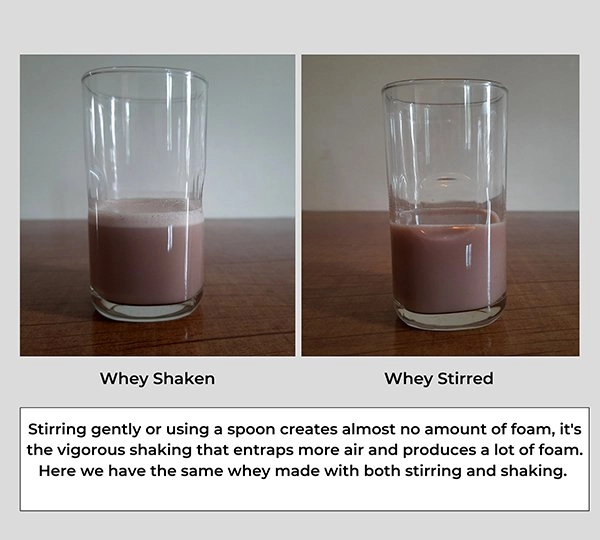
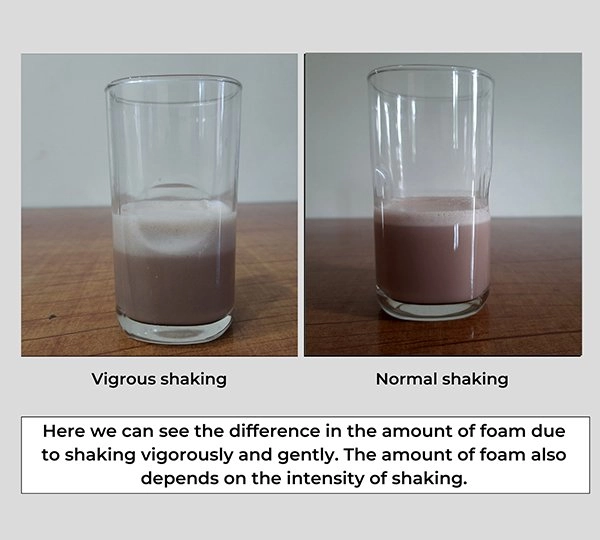
While preparing your whey protein shake you might have noticed that when you shake hard or blend your protein, it creates some foam/froth on the top.

Do you need to be worried about it? The answer is no.
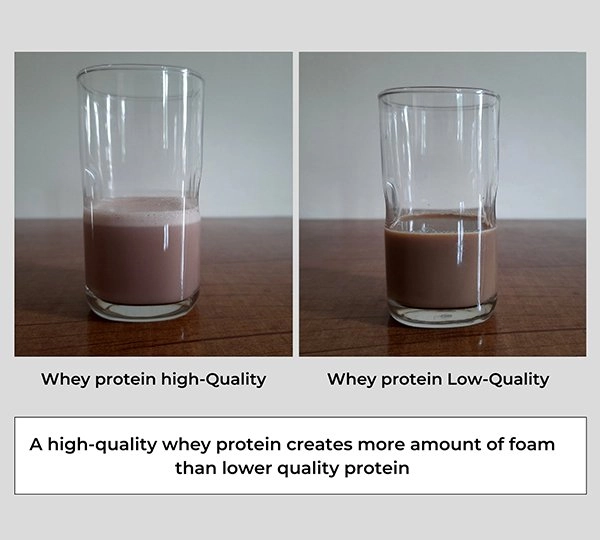
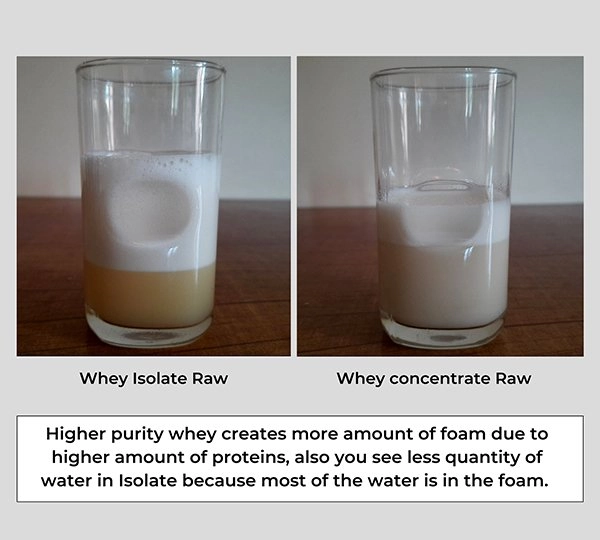
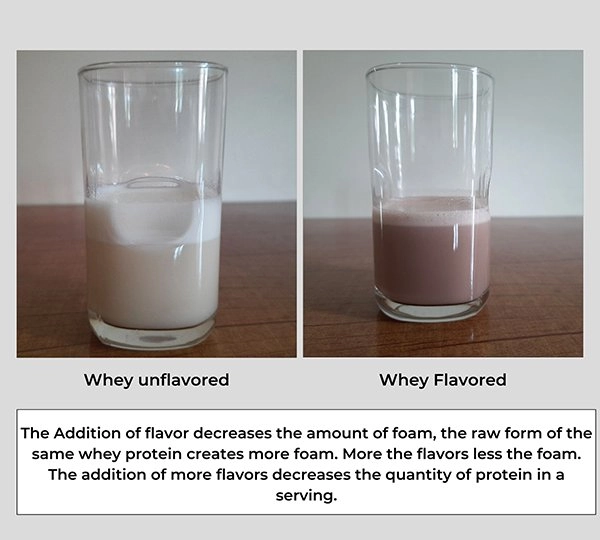
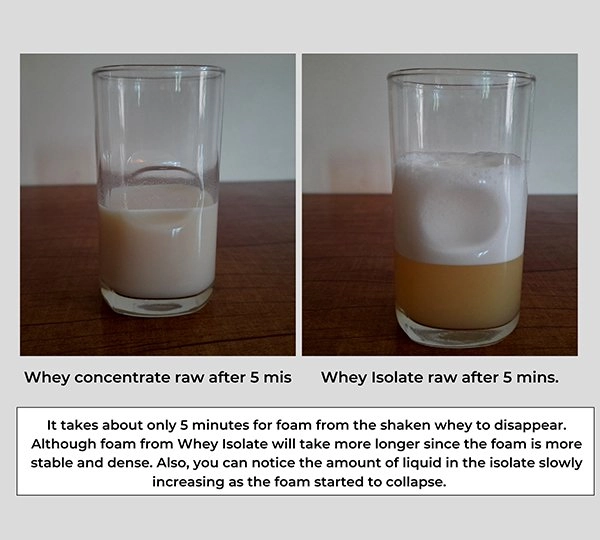
No, because foaming is a functional quality of proteins and a good quality, high purity protein does create foam.

Many people have this misconception that foaming is bad or whey protein shake should not create any foam. I don’t know where the idea came from but, it is incorrect.

There is no need to worry about foam on your whey protein, it does not mean your Whey protein is of poor quality or, it’s going to cause you any harm.

In this article, let’s talk about why proteins create foam, why it is a good sign, and what you can do to avoid foam if you don’t like it.

1.Why Whey proteins creates Foam?

Foaming is a functional quality of proteins, whether it’s in whey, egg, or milk. They all create foam when stirred, whisked, or shaken.

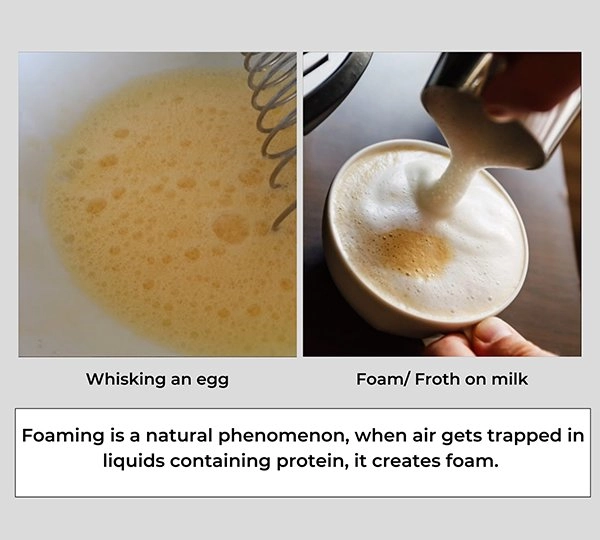
If you remember what happens when you whisk an egg, it creates foam. What happens when you shake milk, it creates foam.

You may have noticed when you had your cappuccino last time, what baristas do is, pass a lot of hot steam (air) through milk which creates that nice-looking froth to top off your cappuccino.

Foaming is a natural phenomenon, when air gets trapped in liquids containing protein, it creates foam.

There are a lot of studies about the foaming qualities of whey. Due to its foaming ability whey is used as a foaming and stabilizing agent in many bakery products to replace eggs.

Little chemistry lesson:

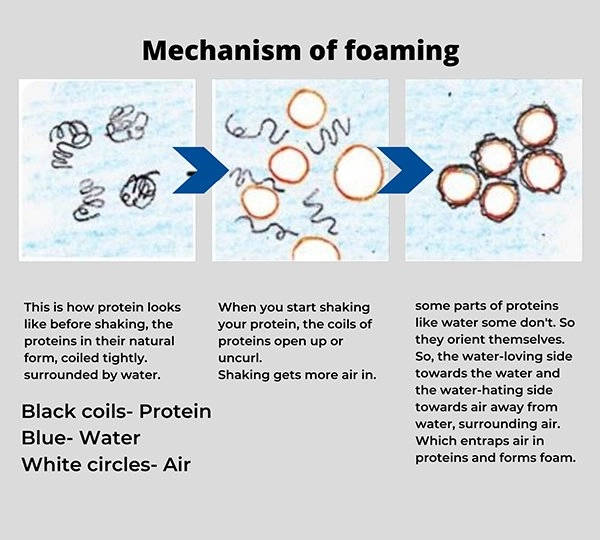
When you shake your whey, the shaking entraps air in protein molecules which creates foam on the surface. The reason for that is amino acids have two ends. One is hydrophilic and the other is hydrophobic. The hydrophilic (water-loving) ends orients themselves toward the water and the hydrophobic (water-hating) ends orient away from water.

The hydrophobic ends orient themselves towards air entrapping tiny air bubbles when shaken and create foam on the top of whey protein.

Foaming of whey protein is an important quality to consider because proteins only in un-denatured or undamaged form can create a stable foam.

2.Why foaming is a good sign

When proteins get damaged during their processing, the ends of amino acids also get damaged, which cannot entrap much air, thus making shakes without foam.

As you know, denatured or damaged proteins do not produce optimum results. The damaged ends of amino acids, hinder the ability of digestive enzymes to act on proteins (amino acids) decreasing their absorption and bioavailability.

So, if you have a lot of foam on your whey shake take it as a good sign.

We ran a little experiment to demonstrate, since visualization makes it easy to understand the concept. We took different proteins, added half a scoop of each to 100 mL of water and shook in a shaker for 30 seconds. Only at one instance we stirred instead of shaking to demonstrate the difference.

A.Quality

Proteins that are denatured or damaged and have lower quality and tend to make less or don’t make any foam at all. We call denatured or lower purity protein (not whey concentrate, but adulterated) a low-quality protein.

We took a known low-quality protein and shook it in a shaker for 30 seconds, then we took a high-quality protein and shook in the same way. The high-quality protein created more foam and the low-quality protein did not create any foam.

B.Purity

Proteins with higher purity tend to create more foam. You may have noticed that with whey concentrate and whey isolate. Whey Isolate creates more foam as compared to whey concentrate which has lower purity than Isolate
We took some raw whey isolate and raw whey concentrate to demonstrate this. We used raw material because addition of flavors decreases the amount of foam.

C.Amount of flavors

The addition of flavors affects foaming, the addition of more flavors decreases the amount of foam formed on the top. I won’t go into chemistry. But, if your whey protein has more flavors added to it, it will create less foam.

To demonstrate it we tried an unflavored and flavored version of the same protein. The unflavored version made a lot of foam upon shaking, while the flavored version created less foam. Both proteins were shaken for 30 seconds in a shaker.

Having too much flavor added to your shake is not a good thing, since addition of flavor reduces the quantity of protein per serving. The lower quantity of protein per serving is not a good value for your money.

3.How can you avoid foam?

If you don’t like foam on your whey shake then mix using a spoon or with a swirling motion. This will avoid much air getting trapped in the whey shake and give you a shake with less foam.

We tried this as well, we took two scoops of protein, mixed one of them by shaking in the shaker and the other with a spoon.

The one mixed with shake created foam and the other mixed with spoon did not create any foam because gentle stirring doesn’t allow much air to get entrapped.

1.Stir instead of shaking 

Meaning it is possible to avoid foaming by simply mixing it gently. The same whey protein can make a shake with or without foam depending on how you mix.

2.Allow to sit for a bit

Or you can allow your whey shake to settle for some time and enjoy it when the foam is gone. It takes a small time for the foam to disappear. Foam from whey concentrate was gone quickly, while it took longer for whey isolate foam to disappear, because foam on the whey isolate was much dense and stable.

3.Shake gently

The amount of foam also depends on how vigorously you shake your shaker. More vigorous shaking entraps more air in the shake and creates more foam while gentle shaking can create less amount of foam.

Shopping cart close